
If you’re dreaming of a trip that feels like five different countries stitched into one (fjords, volcanoes, glowworms, turquoise lakes, wine regions, and “is this real?” mountain roads), New Zealand delivers – hard. The only problem is planning: distances are bigger than they look on a map, weather changes its mind every hour, and the best tours and stays can vanish fast.
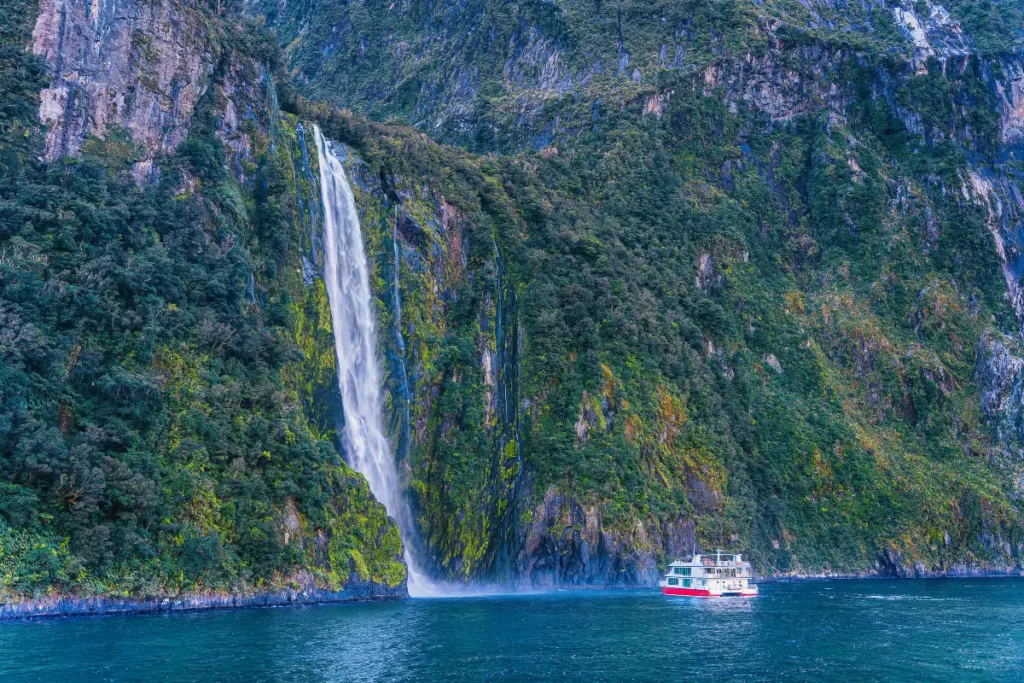
So here’s the friendly, practical New Zealand travel guide I wish I had before my first trip: how to pick North vs South Island, where to base yourself, and 7/10/14-day itineraries you can actually follow – plus the exact parts worth booking early.
Book-first shortcuts (save time, avoid sold-out pain)
- Browse New Zealand hotels (all regions)
- Auckland stays (best landing pad for North Island)
- Queenstown stays (South Island adrenaline base)
- Milford Sound day tour from Queenstown (big-ticket, book early)
- Milford Sound tour from Te Anau (shorter drive, less exhausting)
- Hobbiton tickets (popular and time-slotted)
North Island vs South Island: which one should you choose?
If you only have one week, choosing the right island is the difference between “best trip of my life” and “I spent my holiday inside a car.” Here’s the quick truth:
- Pick the North Island if you want geothermal weirdness (Rotorua), Maori culture, beaches, and easy city-to-adventure day trips from Auckland.
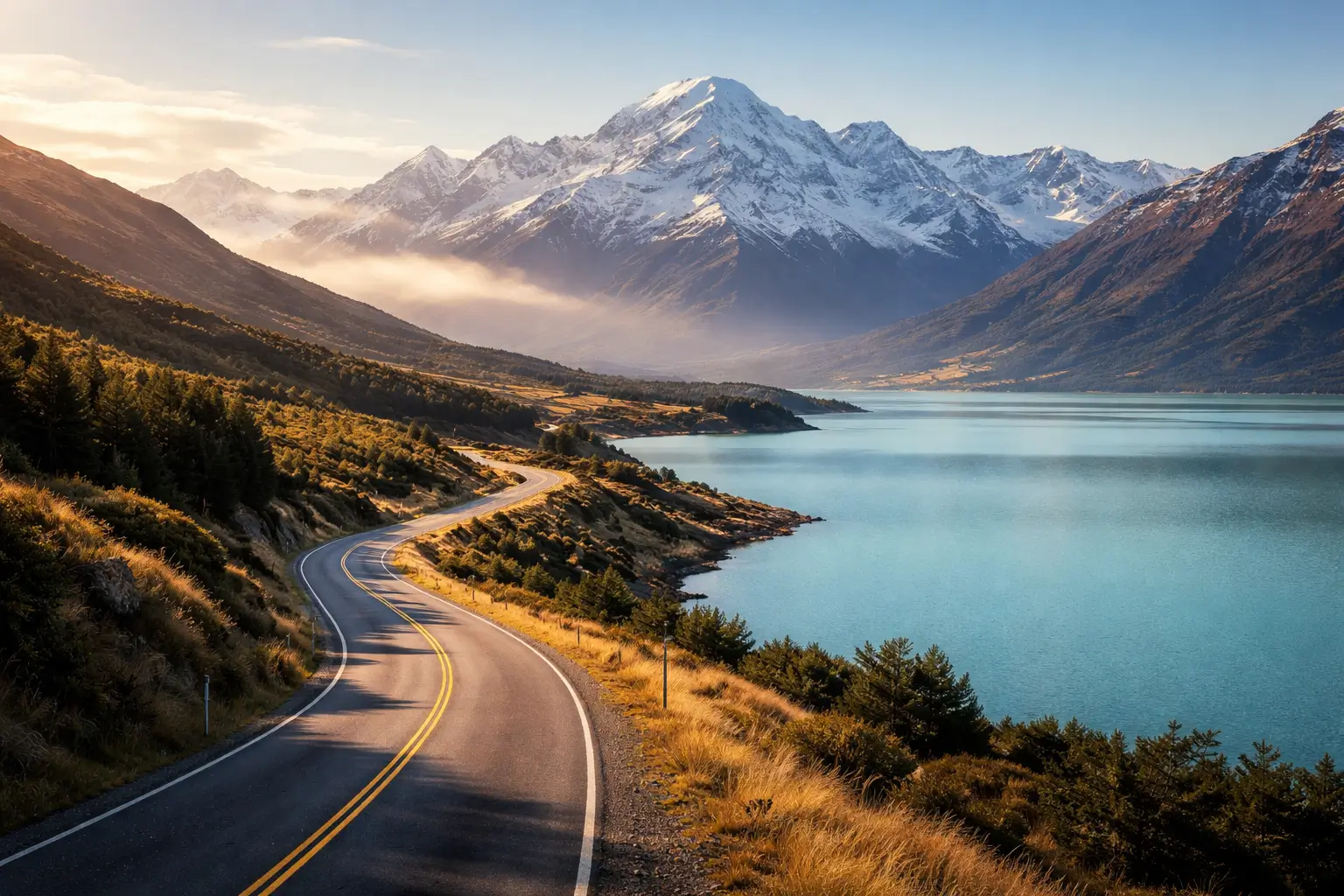
- Pick the South Island if you want the iconic New Zealand postcard vibe: big mountains, glacier-fed lakes, road-trip views, Queenstown energy, and Milford Sound.
My personal bias for first-timers? If you’re chasing the “wow” you’ve seen on Pinterest, the South Island usually wins. But the North Island is not a consolation prize – it’s just a different kind of magic.
Snowboarding in New Zealand (yes, it’s a real winter destination)
If you’re visiting in New Zealand winter (roughly June – August), don’t write the country off as “just road trips.” The South Island turns into a proper snow playground, and it’s one of the easiest ways to add a high-impact day to your itinerary without changing the whole plan.
The most convenient base is Queenstown: you can stay in town, wake up to lake-and-mountain views, and do day trips to the slopes – then come back for food and a warm bed. If you prefer a quieter vibe, Wānaka is the calmer alternative with the same big scenery energy.
- Queenstown — the easiest winter base: you’re close to the two classic “snow playground” ski fields. Coronet Peak and The Remarkables.
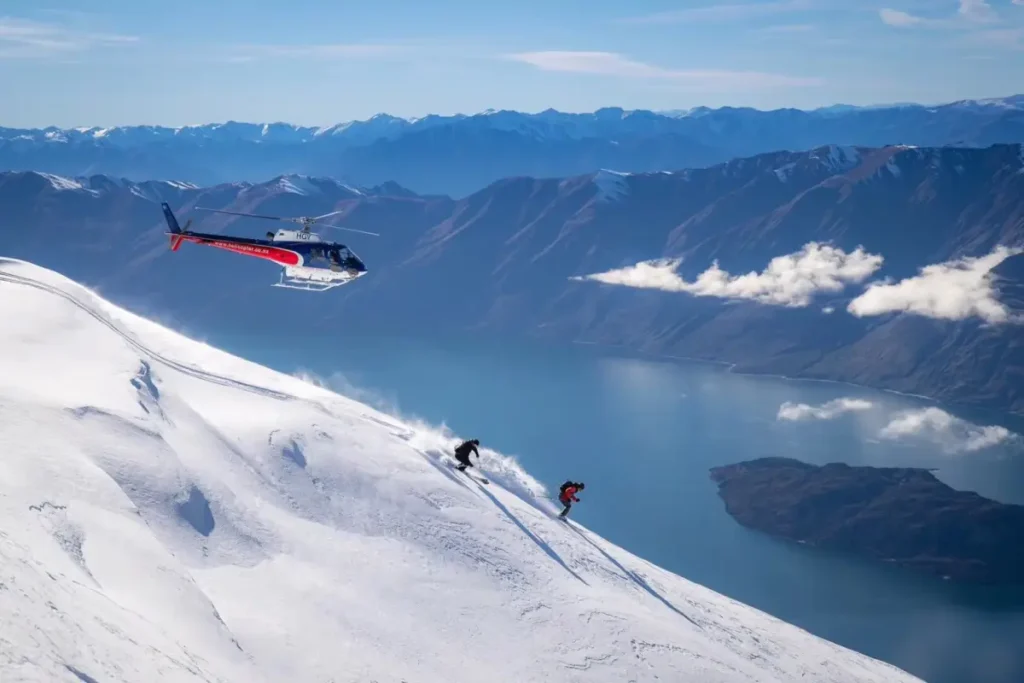
- Wānaka — calmer vibe with serious terrain nearby (great for snowboarding days without the Queenstown buzz). Cardrona Alpine Resort and Treble Cone Ski Area.
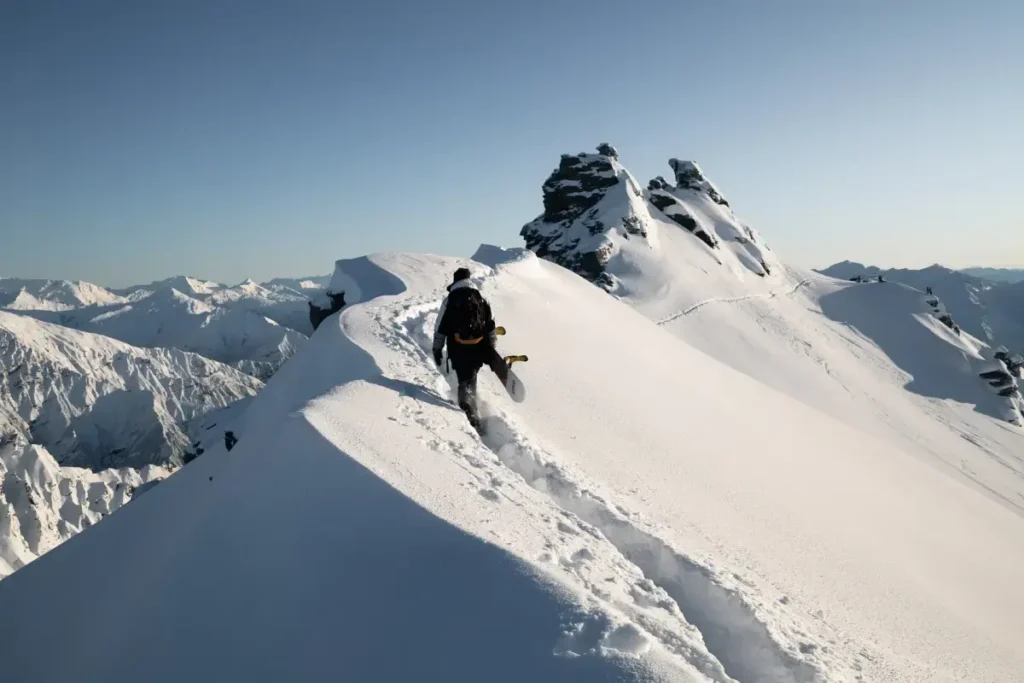
Quick tip: winter weather can flip fast. Build your plan with one “flex day” so you can swap your snow day if conditions change – this one small buffer saves a lot of disappointment.
Where to stay in New Zealand (best bases for a smooth itinerary)
The easiest way to travel New Zealand is to choose a few strong bases and do short hops. This keeps your trip feeling like a vacation – not a moving day every morning.
- Auckland — Best arrival city, great for Hobbiton/Waitomo day trips, easy start. See Auckland hotels

- Rotorua — Geothermal parks, spas, culture, easy North Island highlight. See Rotorua hotels
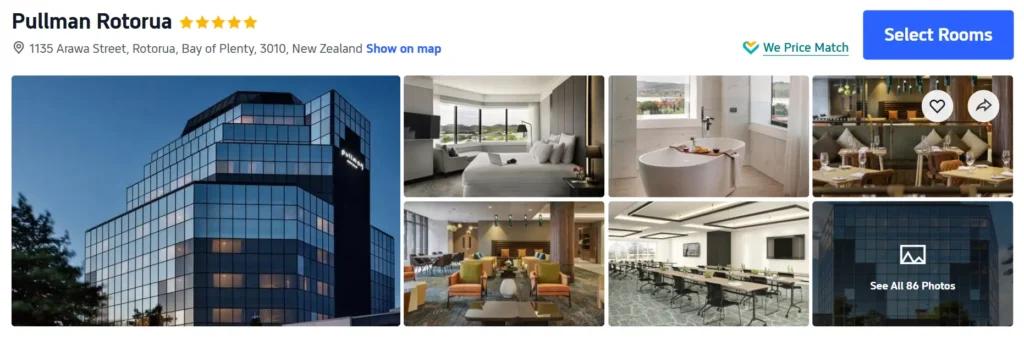
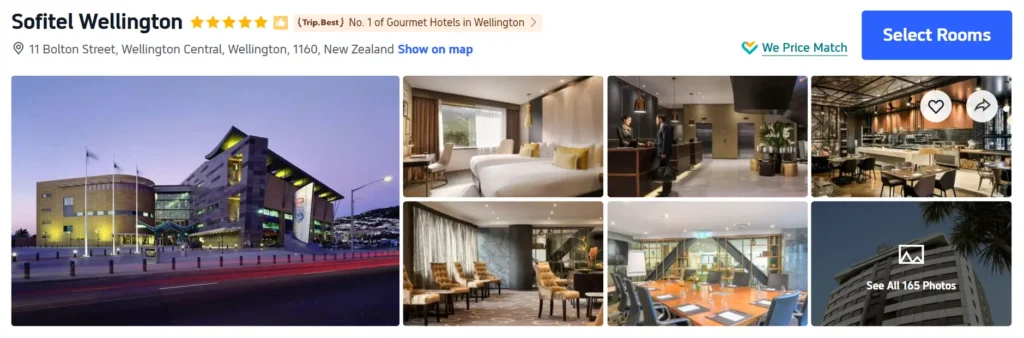
- Wellington — Cool capital stop if you’re doing North Island southbound. See Wellington hotels
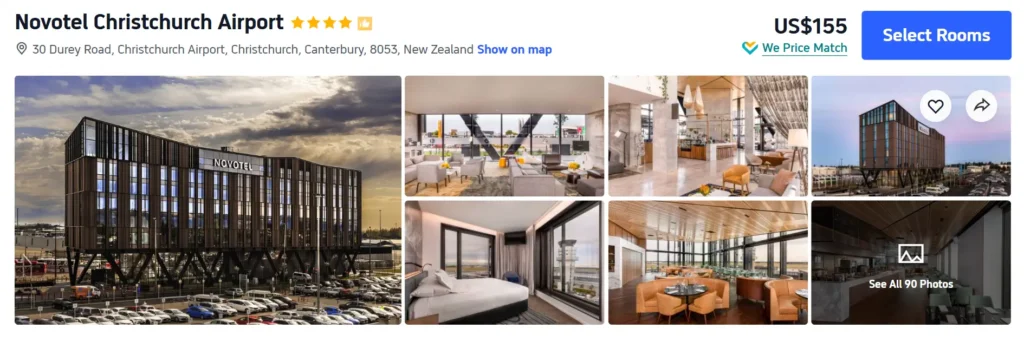
- Christchurch — Easy South Island start/end, good for rebuilding a road trip route. See Christchurch hotels
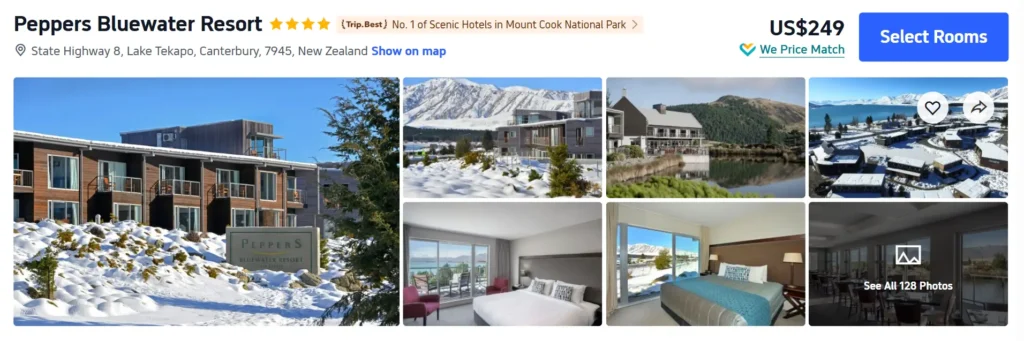
- Lake Tekapo — Turquoise lake + unreal night skies, perfect road trip pause. See Lake Tekapo hotels
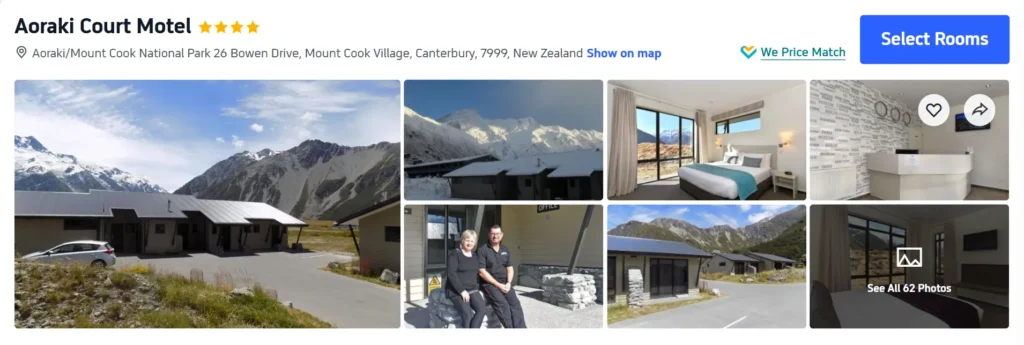
- Mount Cook Village — Closest base for Aoraki/Mt Cook hikes and sunrise views. See Mount Cook hotels
- Wānaka — Quieter, scenic lakeside base (a calm counterbalance to Queenstown). See Wanaka hotels
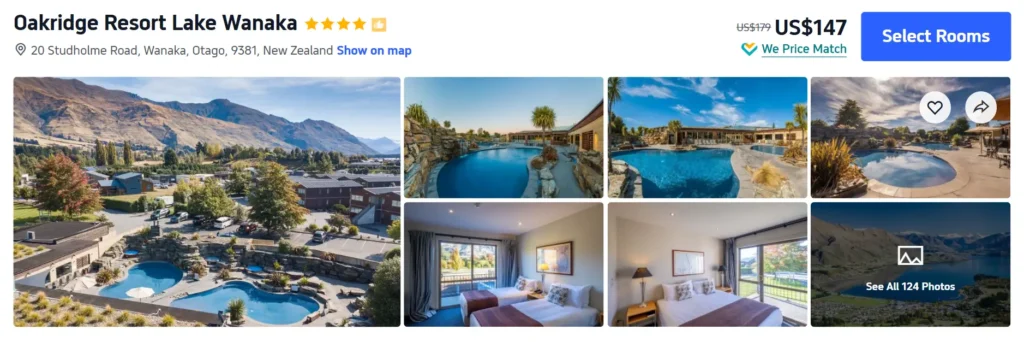
- Queenstown — The adventure hub: tours, food, energy, easy day trips. See Queenstown hotels

- Te Anau — Best “Milford Sound base” to cut driving and leave earlier. See Te Anau hotels
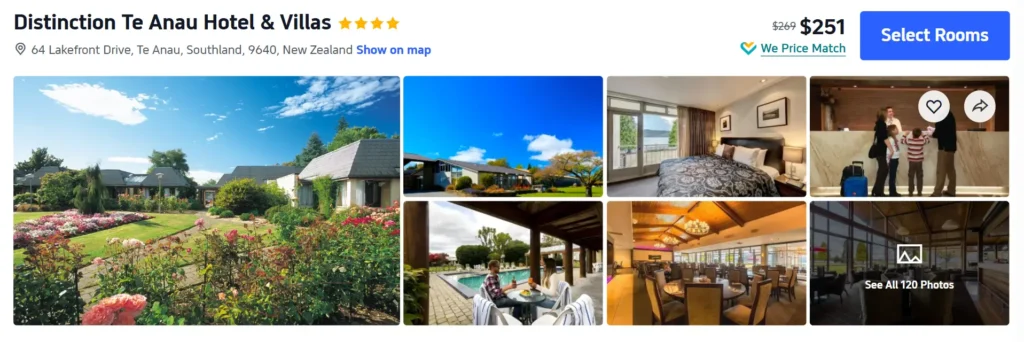
Small but important tip: If Milford Sound is on your list, seriously consider sleeping in Te Anau the night before. It turns a long day into a sane day.
New Zealand itinerary: 7 days (South Island greatest hits, no chaos)
If you have one week, don’t try to “do it all.” This is the cleanest South Island loop that still feels epic.
Day 1: Arrive in Christchurch → drive to Lake Tekapo
Pick up your car, grab snacks, and start with an easy scenic drive. Lake Tekapo is the kind of place that resets your brain. Stay overnight so you’re not rushing the stargazing vibe.
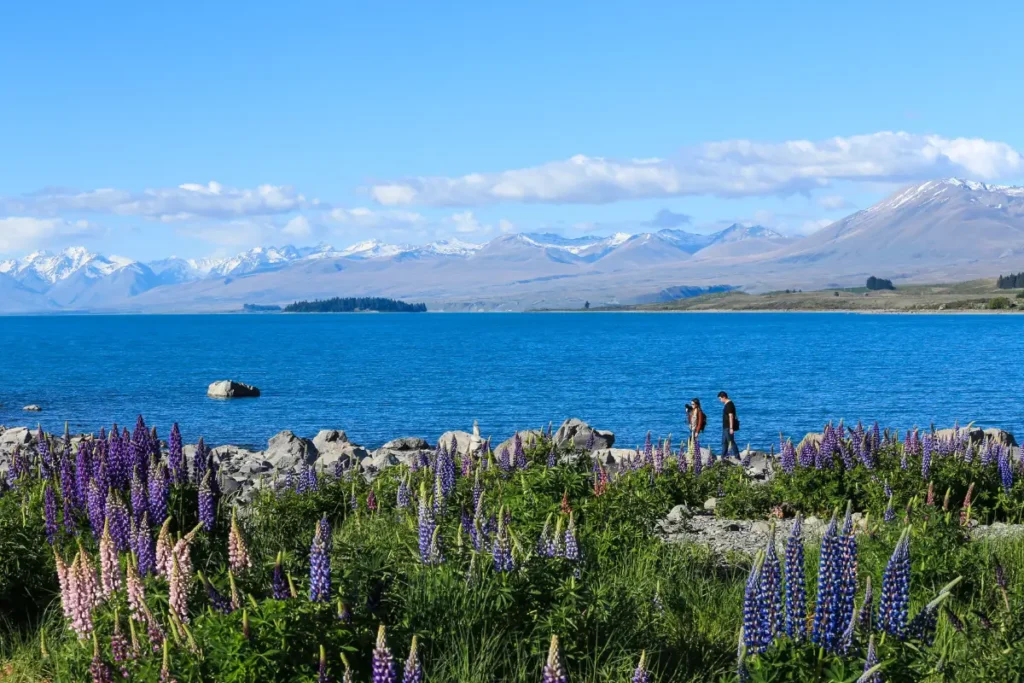
Day 2: Tekapo → Mount Cook (Aoraki) → back to Tekapo or onward
This is where you learn the New Zealand rule: you’ll stop for photos more than you think. Start early, pack layers, and plan one main hike – don’t overstuff the day.
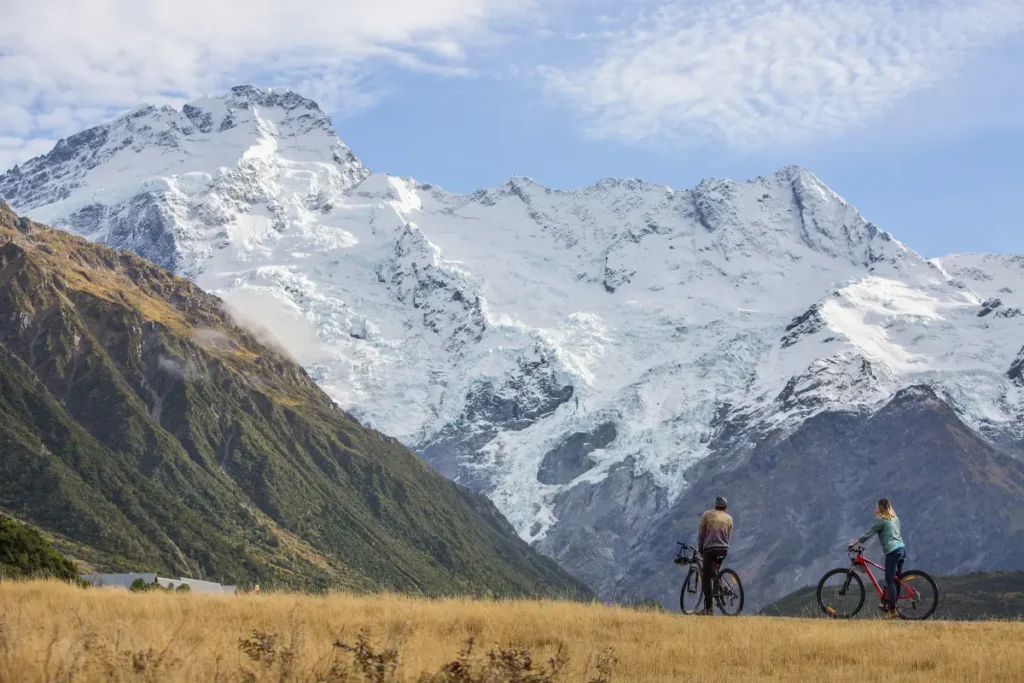
Mount Cook stays (if you want sunrise there)
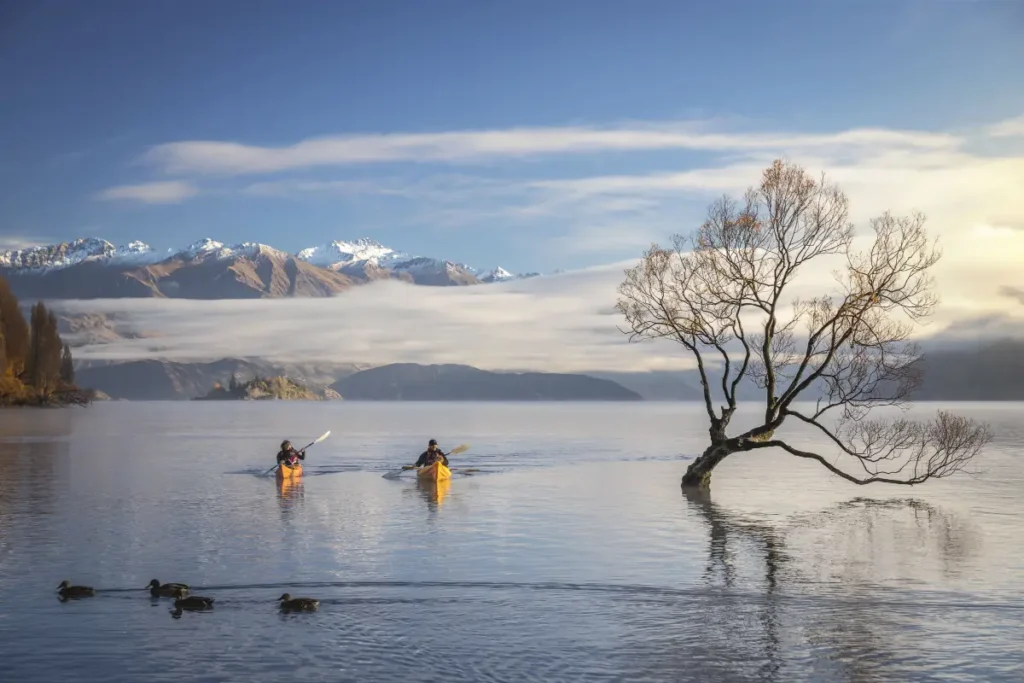
Day 3: Tekapo/Mt Cook → Wānaka
Wānaka is the soft, calm version of Queenstown. Great coffee, lake walks, and “I could live here” energy. This is your buffer day.
Day 4: Wānaka → Queenstown
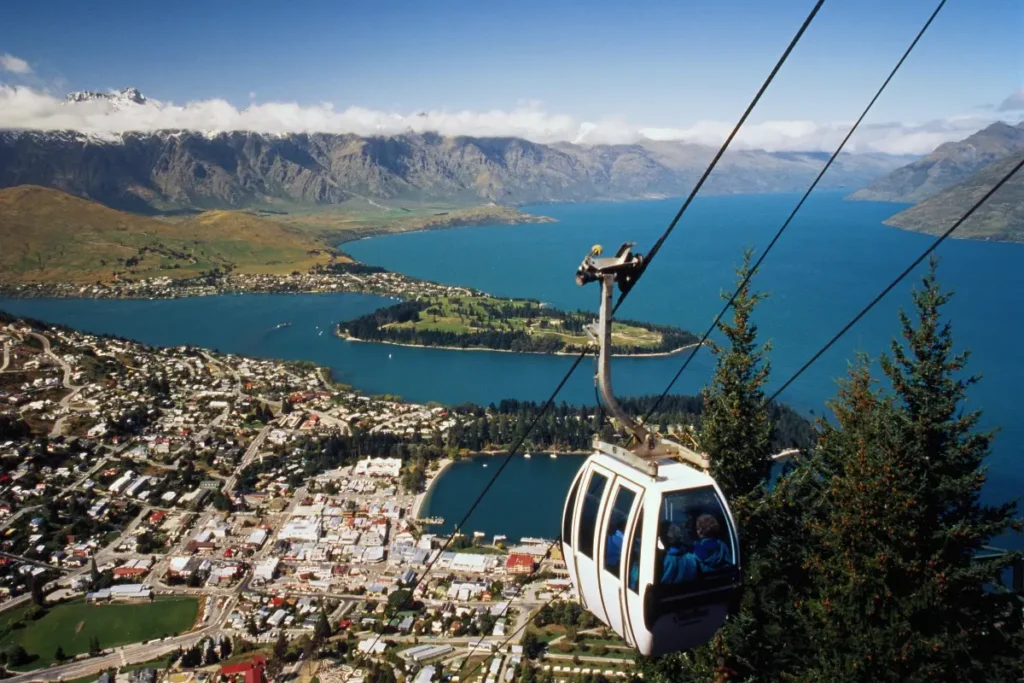
Arrive, check in, and let yourself enjoy a proper city evening. Queenstown is the base where you can book once and then do a bunch of iconic experiences without moving hotels.
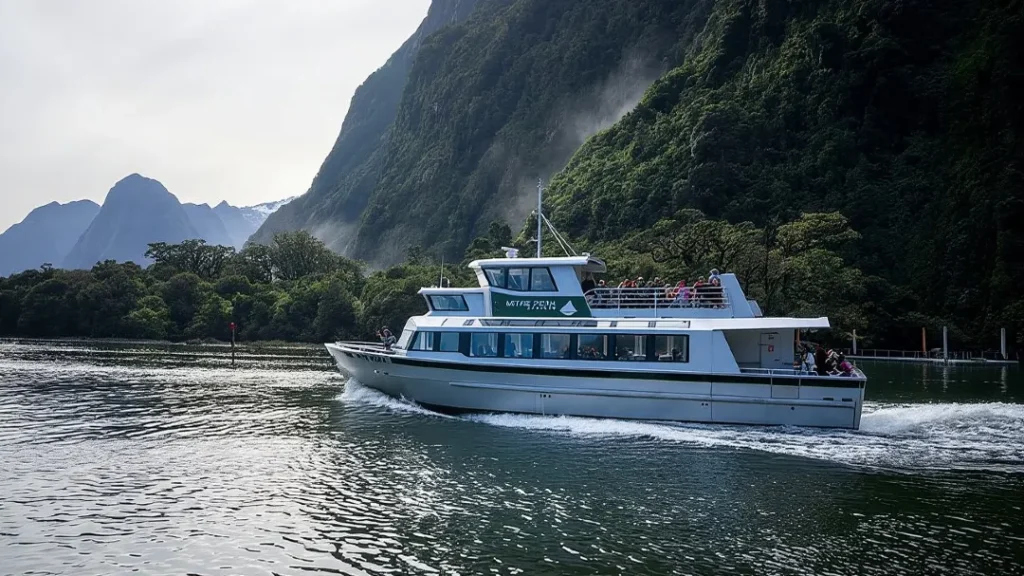
Day 5: Milford Sound day trip (the day you’ll remember)
Yes, it’s a big day. Yes, it’s worth it. The trick is not fighting the length—embrace it, pack snacks, and treat the bus time as rest time.
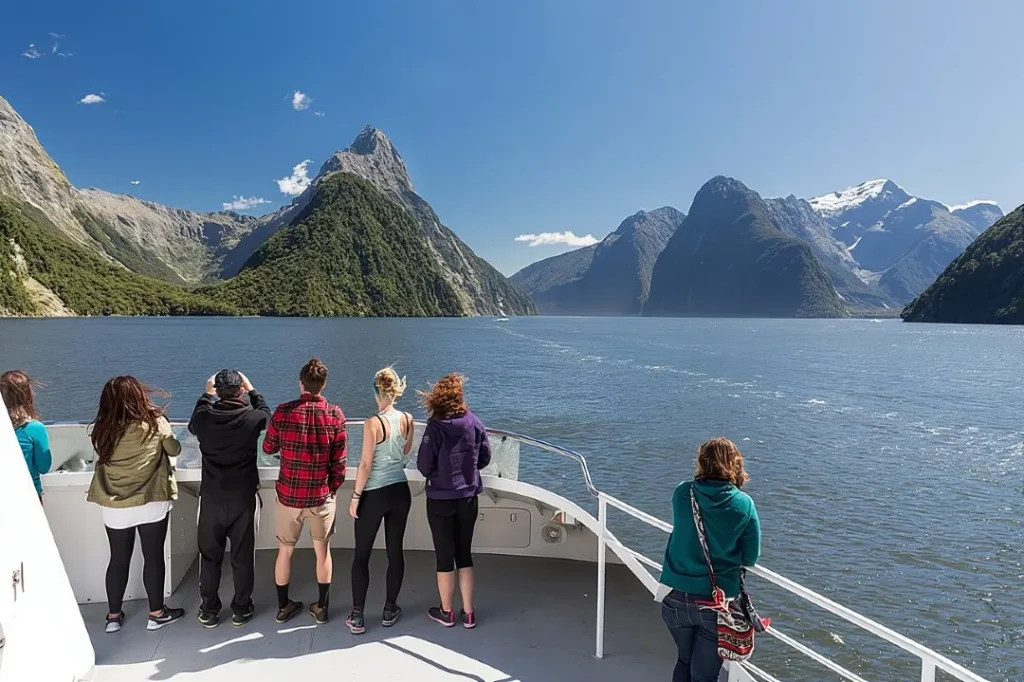
Milford Sound day tour from Queenstown
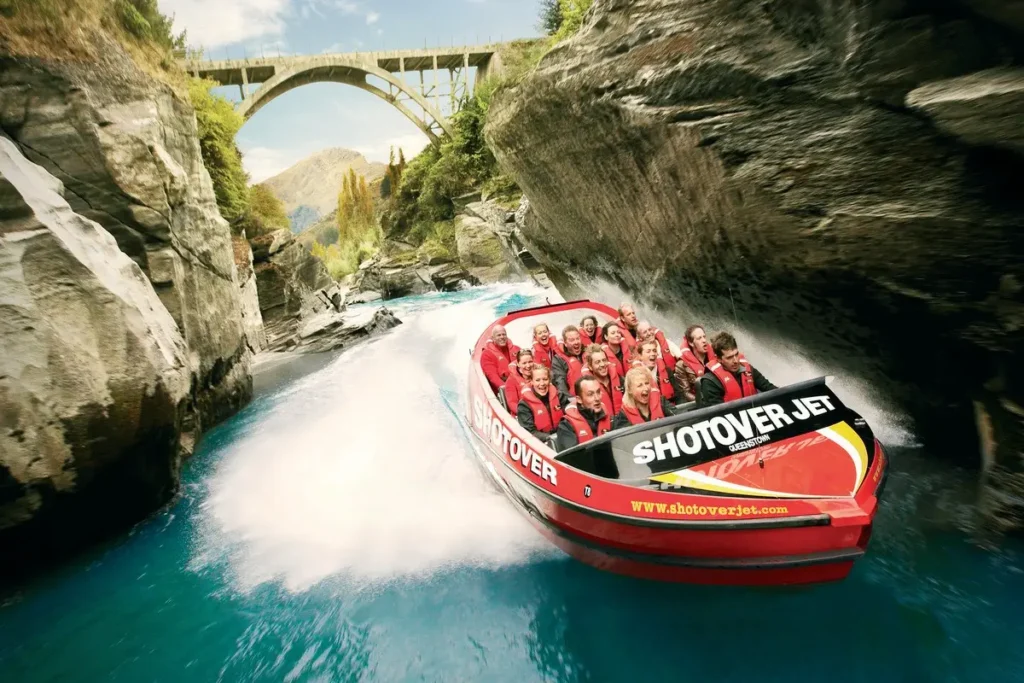
Day 6: Queenstown adventure day (choose ONE “big” activity)
Queenstown is where you can accidentally book too much and end up exhausted. Pick one headline activity and let the rest be slow and fun.
- Skydive with mountain views: NZONE Skydive

- Iconic canyon jet boat: Shotover Jet
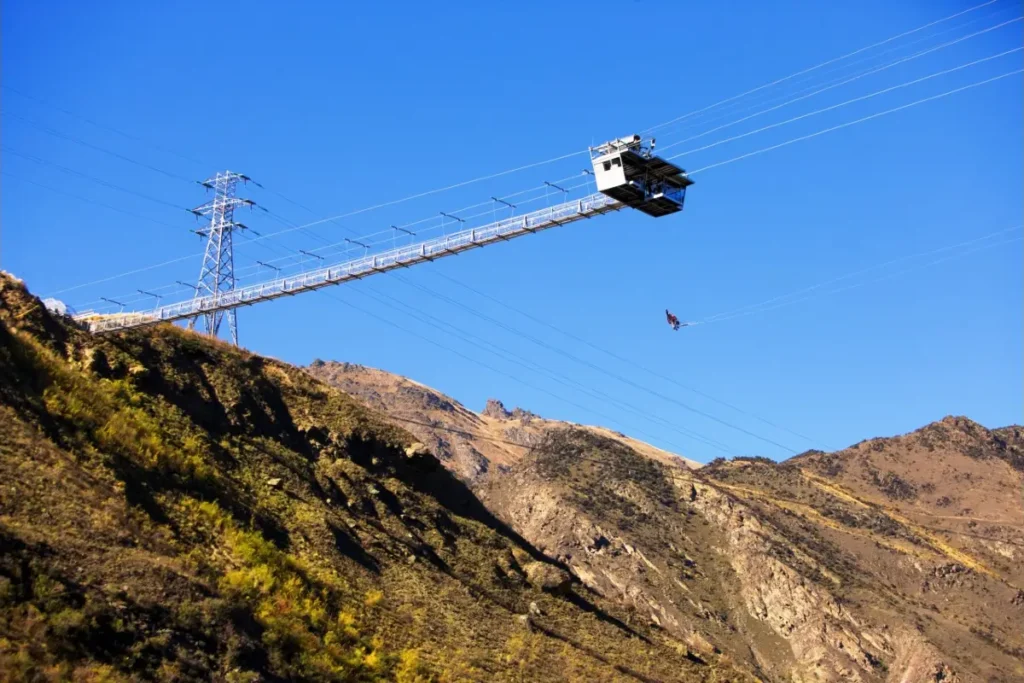
- Next-level adrenaline (Nevis): Nevis Bungy/Swing/Catapult
Day 7: Fly out (or drive back to Christchurch if needed)
Give yourself a buffer. New Zealand weather is usually friendly, but it doesn’t care about your schedule.
New Zealand itinerary: 10 days (North + South, without sprinting)
If you want both islands, 10 days is the minimum where it can still feel good. The secret is: do a North Island “taste,” then let the South Island be the main course.
- Days 1–2: Auckland (recover from travel, easy city time). Auckland hotels
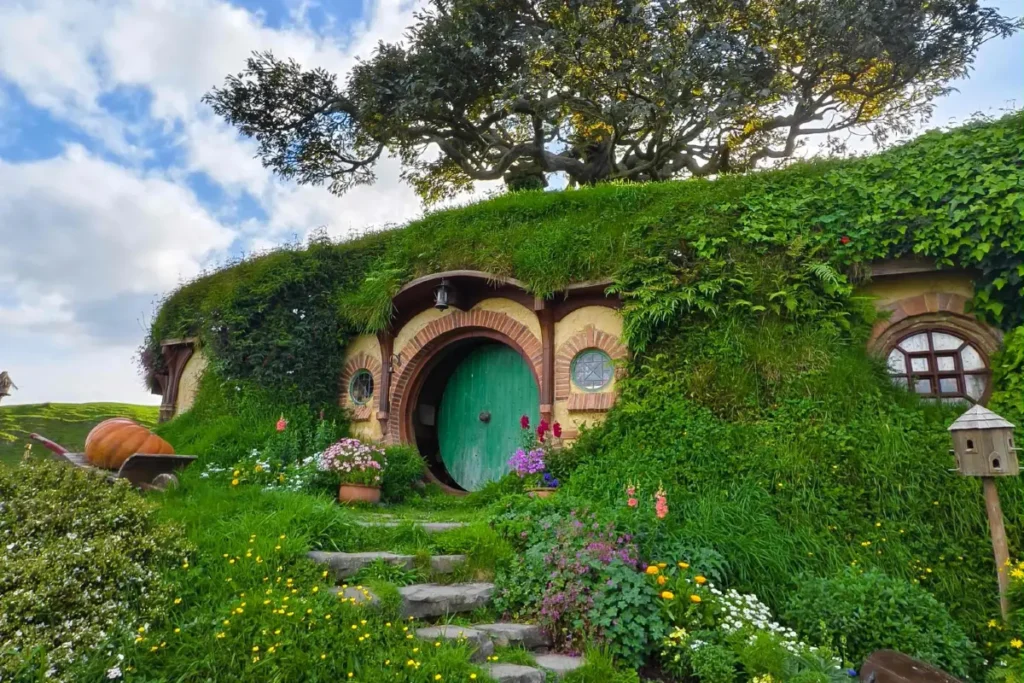
- Day 3: Hobbiton day trip (book ahead). Hobbiton tickets
- Days 4–5: Rotorua (geothermal parks + soak time). Rotorua hotels
- Day 6: Fly to Queenstown (this is the time-saver move). Queenstown hotels
- Day 7: Queenstown “choose one” adventure (skydive/jet/Nevis).
- Day 8: Milford Sound (Queenstown tour day). Milford tour
- Day 9: Wānaka day trip or chill (your body will thank you). Wanaka hotels
- Day 10: Fly out
New Zealand itinerary: 14 days (the “I did it right” route)
Two weeks lets you travel at the pace New Zealand deserves. Here’s a balanced plan that isn’t a blur.
- Days 1–3: Auckland + Hobbiton (easy start). Auckland hotels | Hobbiton tickets
- Days 4–5: Rotorua (geothermal + culture + spa). Rotorua hotels
- Day 6: Wellington (optional, but a cool break). Wellington hotels
- Day 7: Fly to Christchurch (reset your South Island route). Christchurch hotels
- Days 8–9: Tekapo + Mt Cook (lakes + hikes). Tekapo hotels | Mt Cook hotels
- Day 10: Wānaka (slow day, scenery). Wanaka hotels
- Days 11–12: Queenstown (adventure + food). Queenstown hotels
- Days 13–14: Te Anau + Milford Sound (best energy management move). Te Anau hotels | Milford tour from Te Anau
Real-life travel tips (the stuff that saves your trip)
1) New Zealand driving is easy… until it isn’t
Driving in New Zealand is honestly easier than most people expect – roads are well-maintained, signage is clear, and the whole country is built for road trips. The only “new” part for many travelers is driving on the left, plus narrow scenic roads where you’ll stop for photos every 10 minutes. My biggest tip: plan fewer kilometers than you think, start early, and treat driving days as part of the experience – not a race. If you want the smooth, flexible version of New Zealand (hidden viewpoints, sunrise lakes, last-minute detours), renting a car is the single best upgrade. Compare prices and pick-up locations here.
2) Weather changes fast – pack like a smart friend
Even in summer, bring layers. A light rain jacket and warm mid-layer can turn a rough day into a great day. Also: keep a small towel in the car. New Zealand is basically built for “sudden wet + suddenly beautiful again.”
3) Don’t overbook: one “big” activity per day
Queenstown is the classic trap. You’ll want to book everything (skydive, jet boat, bungy, cruise, hike). Pick one headline experience and leave space for your body and the unexpected.
4) If Milford Sound is on your list, don’t wing it
Milford Sound tours are the kind of thing you’ll regret missing. If you want the simplest version, go from Queenstown. If you want the calmer version, sleep in Te Anau and go from there.

Best time to visit New Zealand (by vibe, weather, and crowds)
New Zealand is one of those places that looks incredible year-round, but your experience changes a lot depending on season. Quick reminder: seasons here are flipped compared to Europe/US – summer is Dec–Feb, and winter is Jun–Aug. The “best” time is really the time that matches what you want to do (and how much you hate crowds).
- Dec – Feb (Summer): longest days, warmest weather, peak road-trip season. Perfect for lakes, hikes, beaches, and that classic South Island itinerary. It’s also the busiest and priciest – book stays and headline tours early.
- Mar – May (Autumn / shoulder season): my favorite “smart” window – still great weather, fewer crowds, and generally easier prices. You’ll get crisp mornings, golden light, and less competition for the best bases.
- Jun – Aug (Winter): colder, shorter days, but the South Island becomes a proper snow playground (Queenstown/Wānaka areas). Great if you want a mix of cozy towns + snowboarding/ski days.
- Sep – Nov (Spring): greener landscapes, fewer people, and a “fresh” feel everywhere. Weather can be changeable, but it’s excellent if you like quieter trips and don’t mind packing layers.
Real-life tip: New Zealand weather can flip fast – especially in the mountains and around fjords. Even in summer, pack a light rain jacket and a warm mid-layer. And when you plan your itinerary, build in one “flex day” so you can swap a hike or a cruise if conditions change.
If you’re traveling in peak summer or during school-holiday periods, don’t gamble on last-minute availability – lock your base first, then your must-do tour, then fill the gaps.
Final checklist (what to lock in first)
- Hotels for your bases (especially Queenstown, Tekapo, Te Anau): New Zealand hotels
- Milford Sound (Queenstown or Te Anau): from Queenstown | from Te Anau
- Hobbiton (time-slotted, popular): tickets here
FAQ: New Zealand travel questions (quick answers)
Is 7 days enough for New Zealand?
Yes – if you focus on one island. Seven days is perfect for a South Island highlights loop (Queenstown + Milford + lakes) or a North Island highlights trip (Auckland + Rotorua + day trips). Trying to do both islands in a week usually turns into more driving than living.
North Island vs South Island: which is better for first-timers?
If you want geothermal landscapes, culture, and easy city-based day trips, start with the North Island. If you want mountains, glacier-fed lakes, and the iconic “postcard New Zealand” road trip, the South Island is usually the bigger first-time wow.
Do I need a car in New Zealand?
For the classic New Zealand experience, a car makes everything easier—especially on the South Island. Tours can cover the big highlights, but a car gives you freedom for sunrise lakes, hidden viewpoints, and the spontaneous “pull over now” moments. If you’re nervous about driving, base yourself in Queenstown or Auckland and do day tours.
Where should I stay for Milford Sound: Queenstown or Te Anau?
Queenstown is the best all-around base with lots of restaurants and activities. Te Anau is the energy-saving move: closer to Milford Sound, earlier starts feel easier, and you’ll spend less time on the road. If Milford is a must-do, Te Anau is the calm choice.
What’s the best time of day for Milford Sound?
Earlier departures usually feel smoother (less rushing and more “full day” value). But honestly, Milford is stunning in moody weather too – clouds and light rain can make waterfalls go wild. The key is booking the day that fits your itinerary and keeping one flex day if you can.
How expensive is New Zealand?
It can be pricey, especially in peak season and in places like Queenstown. The biggest cost levers are accommodation, big-ticket tours, and how much you move around. To keep it reasonable: choose fewer bases, book early for busy periods, and mix “headline days” with slower free-scenery days.
Campervan vs car + hotels: what’s better?
Campervans are amazing if you love the idea of waking up in the landscape, but they’re not always cheaper – especially in peak season. Car + hotels is usually simpler and more comfortable for first-timers (and you’ll arrive less tired). If you’re doing a shorter trip, car + hotels wins for ease.
Any packing tips that actually matter?
Pack layers (even in summer), a light rain jacket, and comfortable walking shoes. New Zealand weather changes fast, and being warm and dry turns “we got caught in it” into “that was part of the adventure.” Also keep a small towel and snacks in the car – this country rewards being lightly prepared.
What are the most popular attractions in New Zealand?
Sky Tower | SEA LIFE Kelly Tarlton’s Aquarium | Auckland War Memorial Museum | Skyline Queenstown | RealNZ | TSS Earnslaw Queenstown Cruise | NZONE Skydive Queenstown | International Antarctic Centre | Tamaki Heritage Village | Christchurch Botanic Gardens | Wai-O-Tapu Thermal Wonderland | Agrodome | Polynesian Spa | Glenorchy | Skyline Queenstown | RealNZ | TSS Earnslaw Queenstown Cruise | Wānaka | Puzzling World | Skydive Wanaka | The Church of the Good Shepherd | Lake Tekapo | Tekapo Chinese Stargazing | Shotover Jet Queenstown | Skyline Queenstown | RealNZ | TSS Earnslaw Queenstown Cruise | Museum of New Zealand Te Papa Tongarewa | Wellington Cable Car | Wellington | Ed Sheeran – Loop Tour | Fox Glacier | Lake Matheson | Fox Glacier Guiding | Fox Glacier Guiding
What are the most popular restaurants in New Zealand?
Mamak Malaysian Restaurant | Frasers | Federal Delicatessen | Hak Ka Hut – 客家好栈 | Fergburger | Eight Restaurant | Prego Restaurant | Tony’s Steakhouse | Bushman’s Grill | MASU by Nic Watt | The Attic Bar & Restaurant | Baduzzi | Chuffed | Dear Jervois | Amano | Winona Forever | Sails Restaurant Auckland | Ebisu | KAZUYA Restaurant | St Heliers Bay Cafe & Bistro | Archie’s Restaurant & Pizzeria | Cocoro | The Cow | DeBretts Kitchen | Pedro’s House Of Lamb – Queenstown | Paris Butter | The Store | Oyster and Chop | Giapo
New Zealand Travel Hubs (Quick Links)
- Popular Cultural Hotels in New Zealand
- Top 20 Family-friendly Attractions in New Zealand
- Best 10 Instagrammable Hotels in New Zealand
- Top 10 Ski Resorts in New Zealand
- Best 50 Vacation Homes in New Zealan
- Top 10 Hot Springs Attractions in New Zealand
- Popular Ski Hotels in New Zealand
- Top 10 Gourmet Hotels in New Zealand
- Best 20 Luxury Hotels in New Zealand
- Top 30 Scenic Hotels in New Zealand
- 50 Best Things to Do in New Zealand
- Top 50 Night Attractions in New Zealand
More TripArx Guides to Keep Planning
Keep the momentum going with these quick, copyable guides.
- Japan Travel Guide 2026: Tokyo, Kyoto & Osaka Itineraries – a simple first-timer route across Japan.
- Thailand Travel Guide: Best Places, Itineraries & Wellness Retreats – best places, itineraries, and wellness-friendly picks.
- Barcelona Gaudí Itinerary: What to See + Where to Stay – a Gaudi-focused plan with where to stay.
- 48-Hour Budapest Itinerary: Food, Photos & 2 Nights Under $1500 – a tight 48-hour city plan you can copy.
- Ziplining in Costa Rica: Best Places + Tours Worth Booking – the best zipline spots and tours worth booking.
- Simien Mountains Hike, Ethiopia: First Trek Tips – first-trek tips for an epic hiking trip.
- Tokyo Travel Guide: Best Areas + Easy Itineraries – where to stay, what to book, and easy day plans.
- Discover the Power of Wise Card for Travelers’ Savings
- Why NordVPN Is the Best VPN for Security, Privacy & Travel