
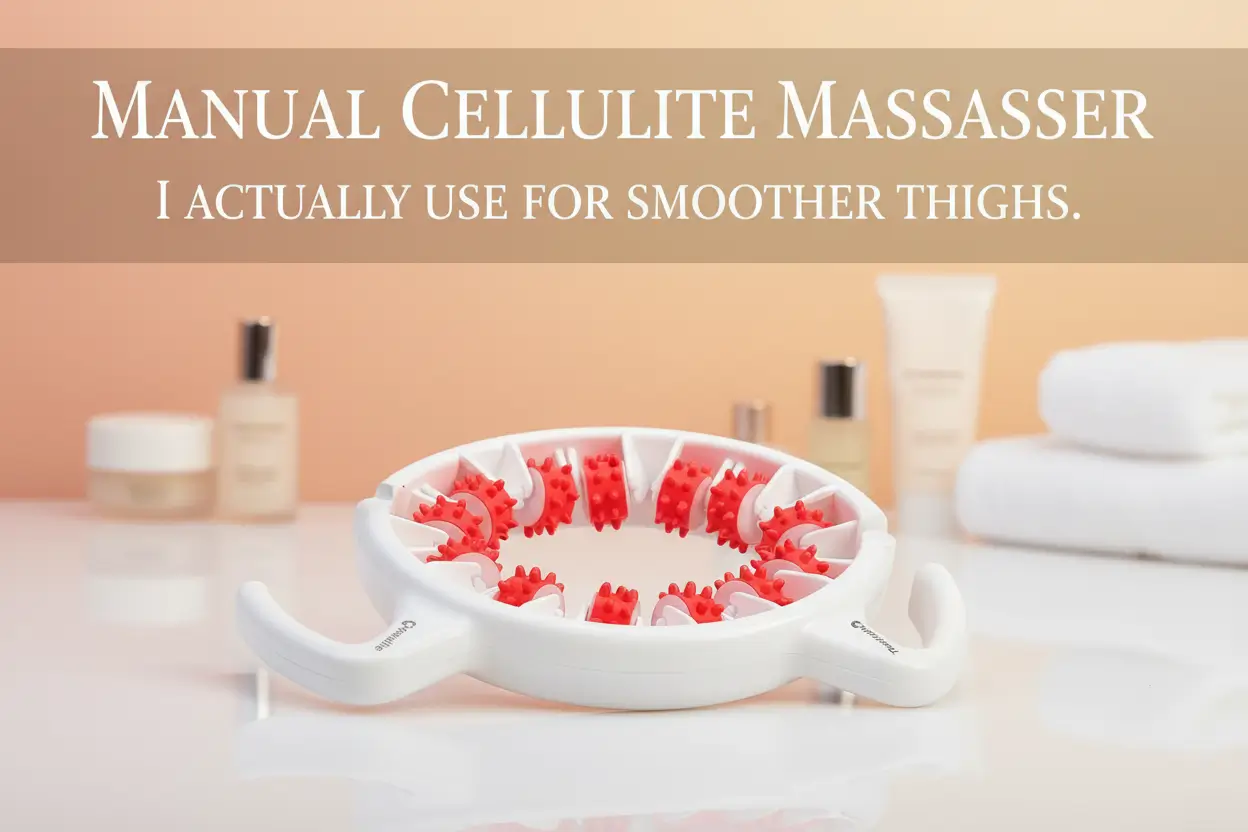

I made the mistake of assuming the flashiest gadget would solve my texture concerns. Instead I ended up with four bulky devices and zero time to use them. So I switched to a manual cellulite massager and finally built something into my routine that I actually use.
It’s non-electric, fully under your control, and yes, it’s surprisingly satisfying to use for about 5 minutes per area. I noticed my routine felt less like a chore and more like a quick self-care ritual — and that made me stick with it. Who wants another noisy, battery-hungry contraption taking up space in the bathroom?
Want a simple tool that actually fits your daily life and gym bag?

Why This Earned a Spot in My Routine
For me, a product earns shelf space if it’s easy to reach, fast to use, and pairs well with the other parts of my self-care. I use this massager after a shower when my skin is warm and a little damp, or after workouts when I want to keep my legs feeling fresh. It’s compact enough to live in my gym bag, and light enough to toss in a carry-on for weekend trips.
If your life is a mix of busy mornings, gym sessions, and rushed evenings, you’ll appreciate the control. The manual design means I decide the intensity – firm on stubborn areas, gentler near sensitive spots. I pair it with a non-comedogenic oil or cream for glide and hydration, so the tool doesn’t tug at the skin or disrupt my skin barrier. It works with oily, dry, and combination skin types because you control the pressure and product pairing.
The Details That Actually Matter
- Patented converging & diverging roller technology – The rollers alternate contact points so you get a different sensory feel compared with a single-roller tool. For me, that variation avoids the dullness of repetitive motion.
- Non-electric, manual operation – No batteries, no motor, no whirring. That means ultimate control over pressure and speed, and it’s travel-friendly.
- Use instructions built into the approach – Slow upward and downward strokes are the recommended method. I follow that and keep sessions short and focused.
- Material and finish – The handle gives good grip when my hands are slightly damp, and the roller surface is easy to clean after use. It feels sturdy without being heavy.
- Versatile for body areas – Designed for thighs, glutes, and legs; I also use it along my hamstrings after runs to aid circulation and soothe tightness.

Mistakes I See People Make With This Type of Product
- Using too fast – Quick, frantic rolls feel productive but don’t do much. I keep the pace slow and intentional.
- Too much pressure – This isn’t a punishment tool. I dial back when skin gets red or sore; comfort matters for consistency.
- Skipping a glide product – Dry rolling can tug. I use a lightweight oil or lotion that absorbs well, avoiding heavy greasy finishes that clog pores.
- Expecting overnight changes – Consistency beats intensity. Short sessions several times a week fit my routine better than sporadic marathon sessions.
- Buying electric without thinking about portability – If you travel or hit the gym, a battery-operated device can be cumbersome. The manual massager is compact and reliable.

How I Actually Use It Day to Day
- Prep – After showering or post-workout, I pat my skin so it’s not dripping but slightly damp. That helps product absorption and reduces friction.
- Apply a glide product – I use a light, non-comedogenic oil or a lotion with a silky texture. That protects my skin and helps the rollers move smoothly without a greasy finish.
- Five-minute sessions – I work one area for roughly 3 to 5 minutes. For thighs and glutes I do slow upward and downward strokes, alternating pressure so it feels like a massage rather than a scraping motion.
- Frequency – I aim for 3 to 4 short sessions weekly. That’s enough to keep it part of my daily routine without becoming a time sink.
- Post-care – I follow with a hydrating body lotion to lock in moisture and protect the skin barrier. If I’ll be layering clothes, I wait a couple minutes for absorption to avoid transfer.
- Storage and hygiene – I rinse the roller and let it air dry; the compact size fits in a drawer or my gym pouch so it’s always at hand.
If You’re Hesitating, Read This
I had my own doubts before committing, so I get the hesitation. Here are the questions I asked and the real answers I lived with.
- Will it break the skin or cause bruises? I worried about that. For me, gentle pressure and short sessions avoided soreness. If your skin is very sensitive, start with light strokes and build up.
- Is it worth it if I already have creams? I see this as complementary. I use it to help product absorption and to make my routine feel intentional — not as a replacement for lotions or targeted formulations.
- Does non-electric mean less effective? Not in my experience. Manual control lets me target tension and comfort, and it’s easier to travel with.
- Will it be messy? Only if you use heavy, greasy products. Lightweight oils and fast-absorbing lotions keep things neat and support hydration without leaving residue.
- Do I need special skills? Nope. Slow, consistent strokes and a short habit are all it takes. It’s more about forming a small ritual than mastering a technique.
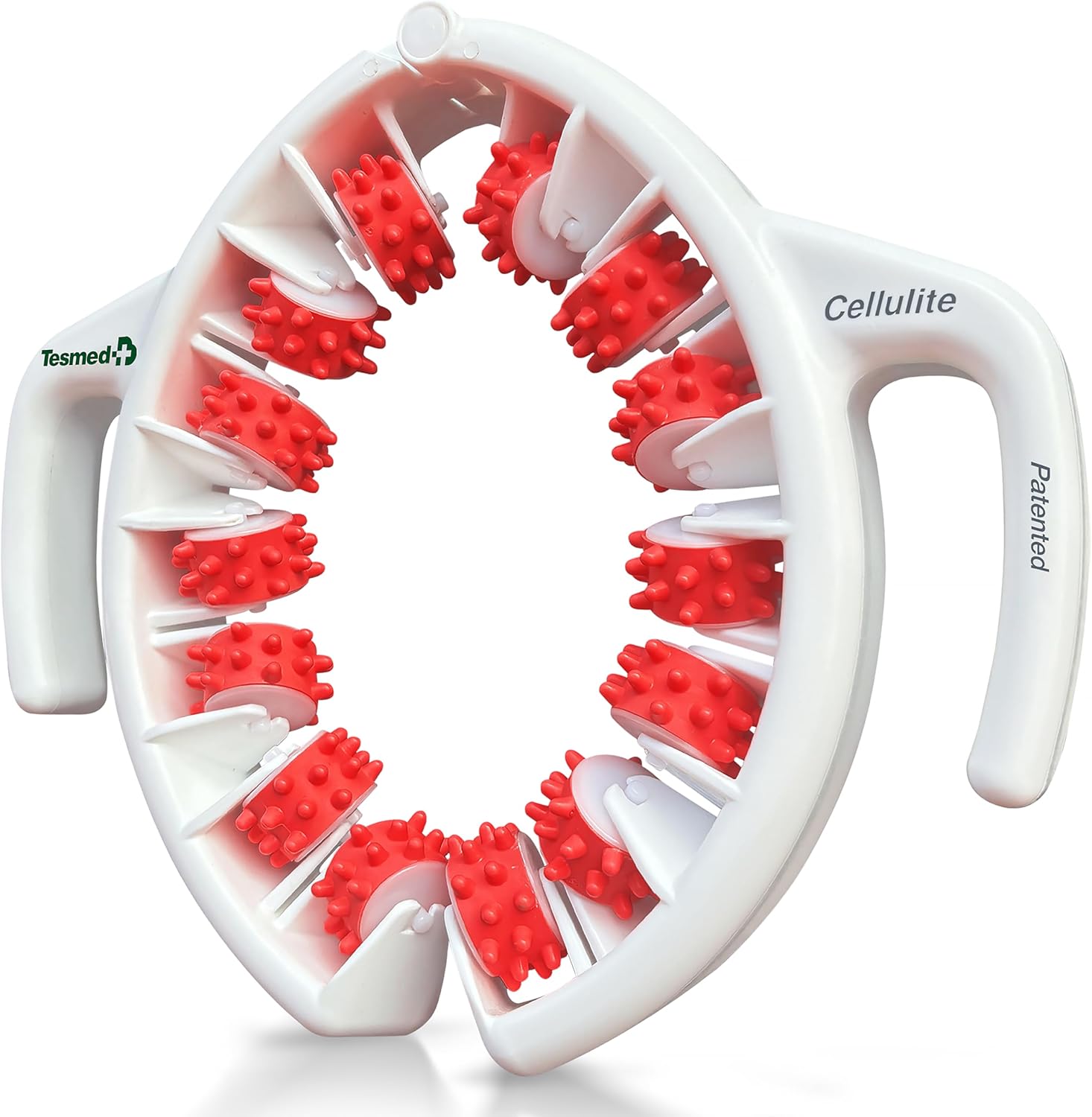
I keep this in my routine because it’s practical, portable, and something I actually do instead of letting it sit unused. If you want an effortless styling tool for your self-care shelf that pairs with your lotions, helps with circulation after workouts, and fits a minimal wardrobe mentality, this is a sound, no-fuss choice.
Some links are affiliate. As an Amazon Associate, I earn from qualifying purchases – at no extra cost to you. It helps keep these finds coming. Thanks for your support!