
Listen – the Simien Mountains don’t ease you in. They grab your attention in the first minute and refuse to let go.
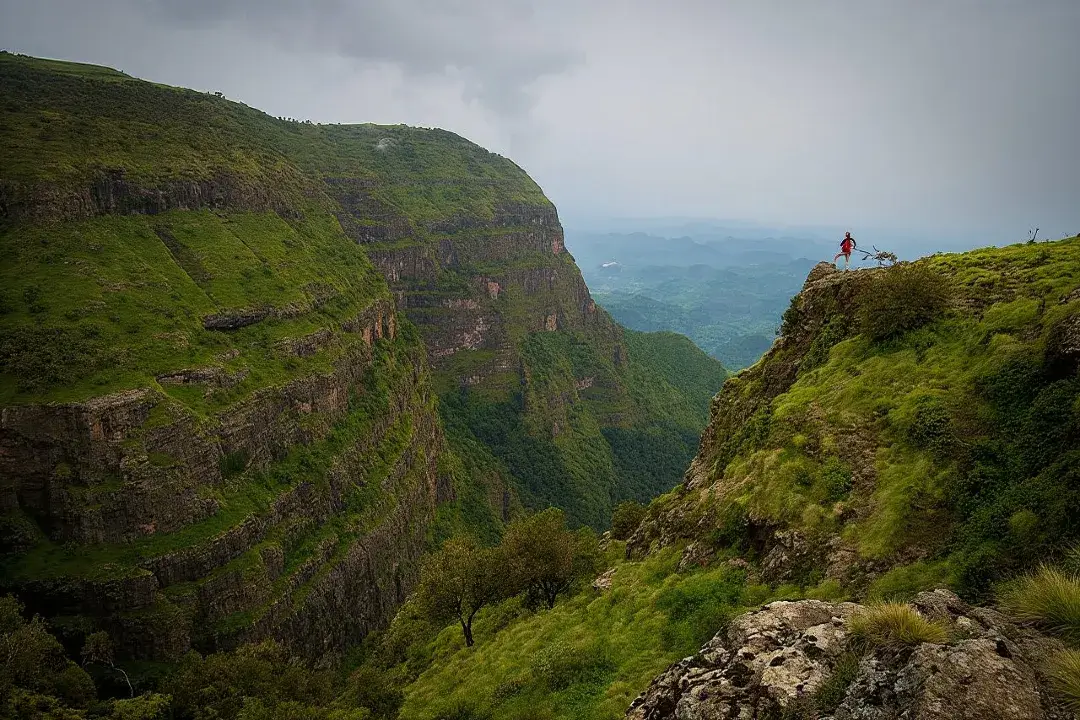
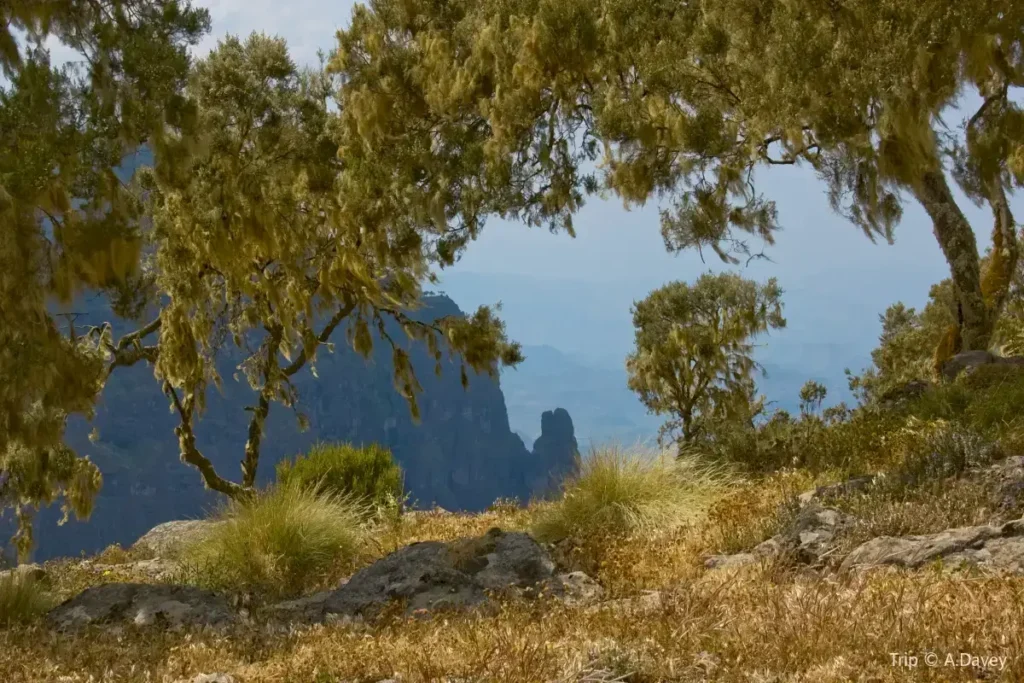
I remember stepping onto the trail thinking I’d need time to warm up, to find my rhythm. Then the land opened up and I literally stopped. One moment there was grass and rock under my boots, and the next there was nothing but air and a massive canyon drop.
That’s why people talk about a Simien Mountains hike like it’s a life highlight. It’s not just scenery. It’s presence – like the mountains are saying “hello” and asking you to pay attention.
Quick planning links
If you want the fastest path from “Pinterest inspiration” to a real itinerary, these are the Trip.com pages that match this trip:
- Simien Mountains National Park (official attraction page + hours + contact)
- Park office in Debark (hours + address)
- Flights to Addis Ababa (ADD)
- Flights to Gondar (GDQ)
- Hotels in Addis Ababa
- Hotels in Gondar
- Day trek option (Trip.com tour listing)
- Multi-day tour option (Trip.com tour listing)
Why Simien Mountains National Park feels different
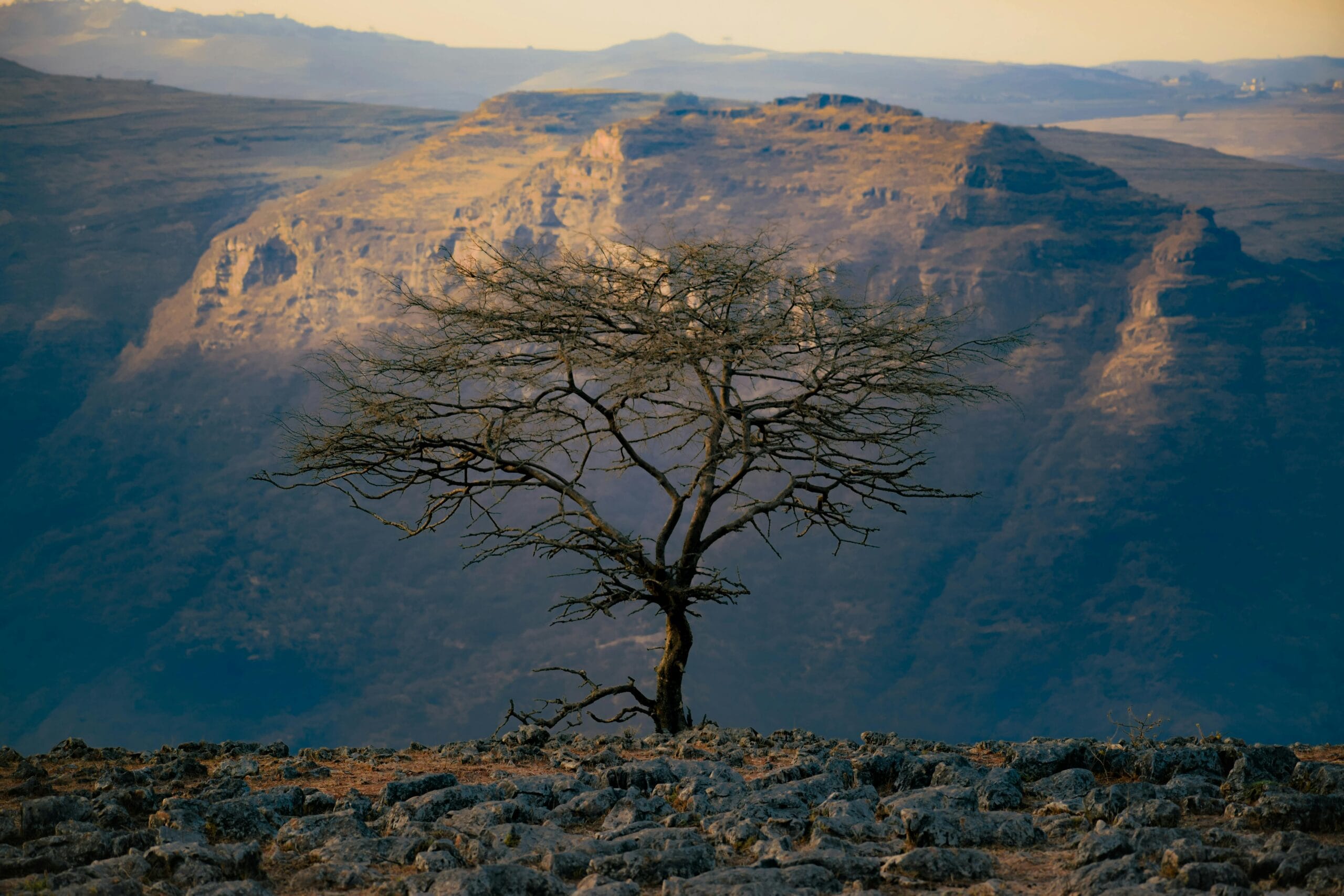
The Simiens are dramatic without feeling like a theme park, and wild without feeling like you’re gambling. You walk high ridges where the horizon stretches forever, and then – suddenly – the escarpment drops away into huge valleys and shadows.
And it keeps changing. One ridge looks like the main event, then you turn a corner and find another that somehow feels bigger.
If you’re the kind of person who wants to feel truly far from routine, this park delivers. Even when you’re not moving fast, your mind quiets down because the landscape is doing all the talking.
Where the trek usually starts: Debark + the park office
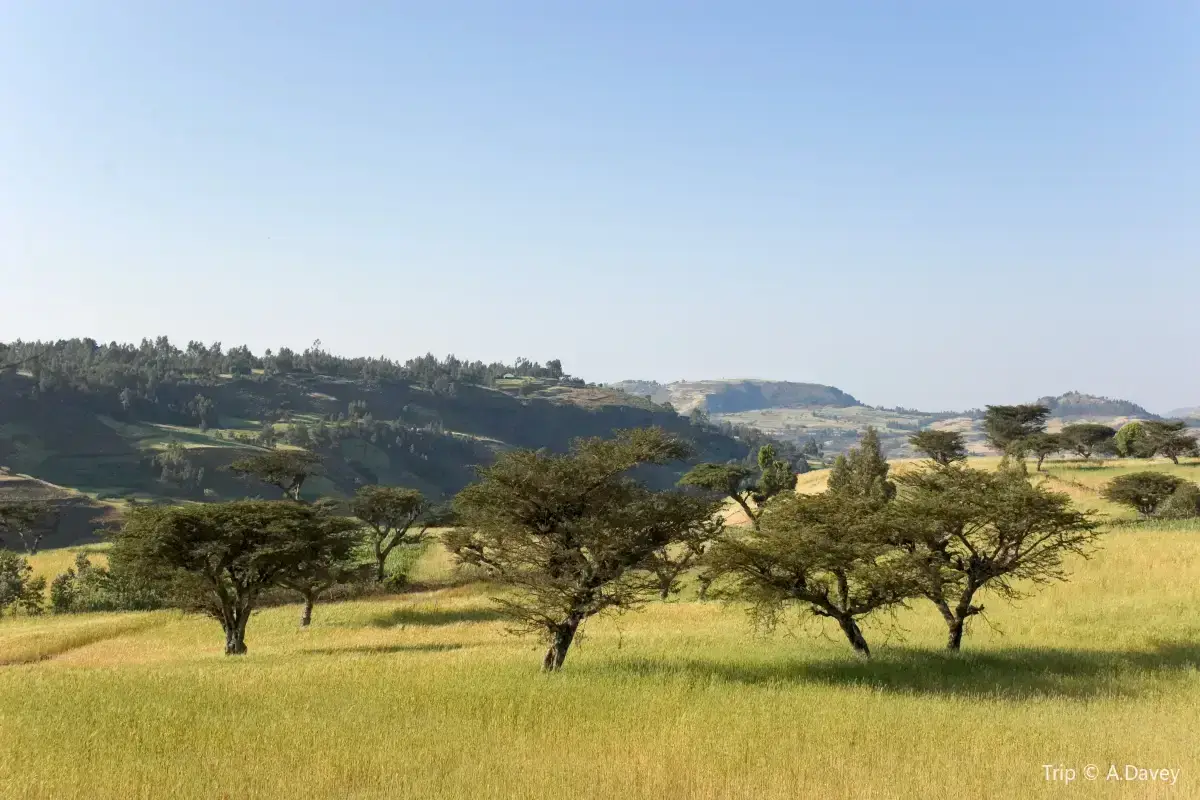
Most planning for Simien Mountains trekking passes through Debark – and the Semien Mountain National Park office is listed on Trip.com with its opening hours and address. (If you’re arranging entry/logistics locally, this is the reference point worth saving.)
Trip.com also notes a visitor tip that you may need a guide – treat that as a realistic expectation when you’re planning your first trek.
Getting to the Simien Mountains: the simplest flight path
A common “clean” route is:
- Fly into Addis Ababa (ADD)
- Continue to Gondar (GDQ)
- Continue onward toward Debark / the park area
Use these Trip.com flight hubs to build your route and compare dates:
Where to stay: Addis, Gondar, and near the park
For a first-time trek, it’s helpful to think in two “bases”:
Base 1: Addis Ababa (arrival buffer)

Base 2: Gondar (launch point)

Close to the park / Debark area
If you want to stay near the park logistics, Trip.com has “closest hotels” pages around the park office area:

The altitude lesson I learned the easy way
Altitude is part of a Simien Mountains trek — not in a panic way, but in a respect-the-pace way. The biggest shift for me was deciding not to prove anything.
- Slower steps
- More water
- Small snacks even when you don’t feel hungry
- Longer pauses to enjoy viewpoints (and let your breathing settle)
The weird thing is: once I stopped pushing, I felt stronger. The hike got smoother, and I actually looked up instead of staring at the trail like it owed me oxygen.
Wildlife that makes the park feel alive: geladas (and more)
My favorite moment came before lunch.
It started with the grass moving. I thought it was wind – then a gelada stood up and looked at me like I was the one out of place. Calm. Almost bored. Then it went back to eating like nothing happened.
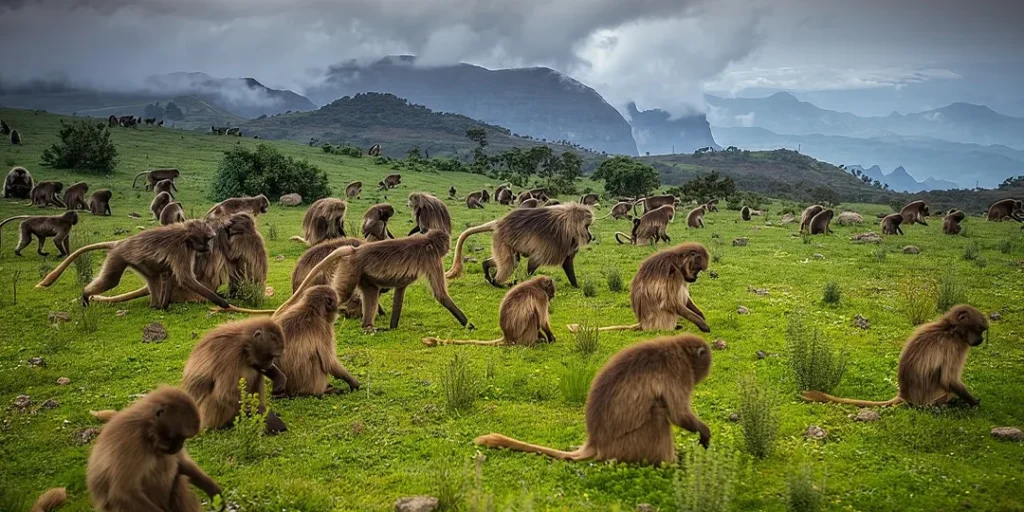
Trip.com’s park page also highlights that geladas are among the animals associated with the Ethiopian Highlands (along with other rare species mentioned in visitor content).
Best time to visit the Simien Mountains (clear views vs green season)
If you’re going to the Simiens for those big cliff panoramas and “walking-on-the-edge-of-the-world” views, timing matters. The park sits high, weather shifts fast, and visibility can be the difference between jaw-dropping ridgelines and a moody, cloud-wrapped trek. The good news: both can be beautiful – you just want to know what you’re signing up for.
For the clearest views and easiest trails: most travelers aim for the dry season (roughly October to March, sometimes into April). This is when you’re more likely to get long visibility, crisp mornings, and days that feel straightforward for hiking. If it’s your first trek in Simien Mountains National Park and you want the “Pinterest-perfect” ridges, this is your safest bet.
For greener landscapes and fewer crowds: the shoulder months (often around September and April–May) can be a sweet spot. You’ll still get plenty of good hiking days, and the light can be gorgeous. The trade-off is more unpredictable weather – so you’ll want a flexible plan.
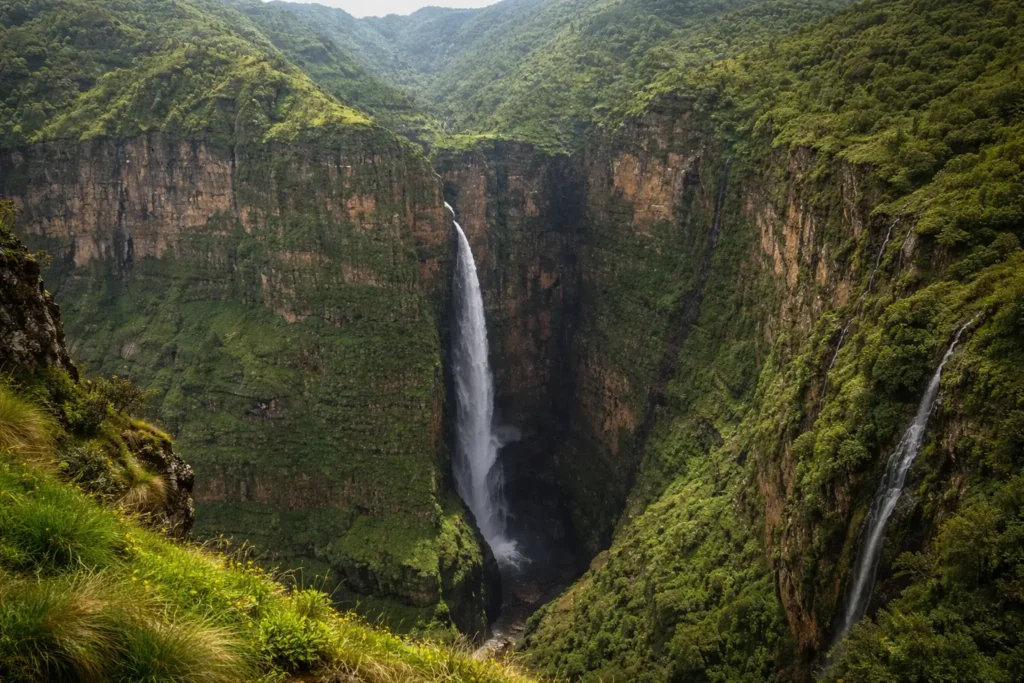
Rainy season notes: during the wetter months (often June–August), trails can get muddy and clouds can sit on the escarpments. Some days you’ll feel like you’re trekking inside a sky – dramatic and wild, but not always “wide open views.” If you’re going in this season, build in an extra day so you can shift your hike if visibility is bad.
My practical rule: if your trip is short, go in the dry season and start early each day. If your trip is longer, you can gamble a little more with shoulder season because you have time to catch a clear window.
What a hiking day in the Simiens feels like (realistic rhythm)
Morning: cool air, soft light, cliffs glowing at the edges.
Mid-morning: the “step, breathe, drink, look up” groove.
Afternoon: weather mood swings – clear, cloudy, clear again – which makes photos and scenery feel different every hour.
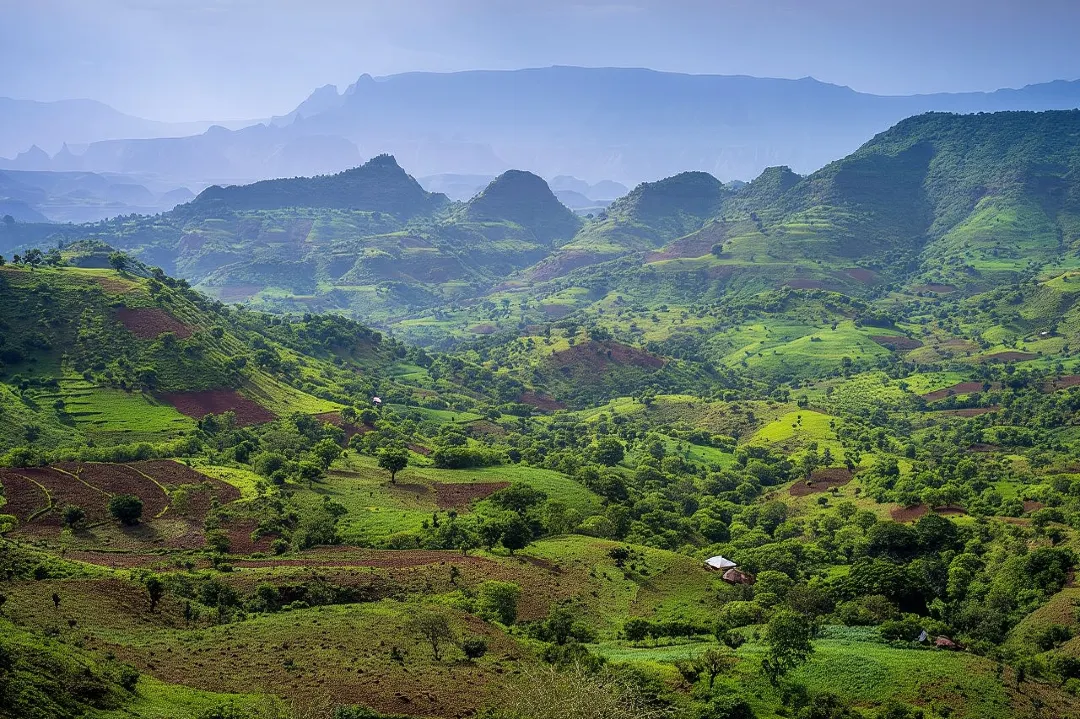
Instead of fighting changing skies, I started enjoying them. Clear skies give huge panoramas. Clouds make the cliffs feel mysterious. Either way, you get shots that look unreal — and that feeling of being fully present.
Sample itineraries (1 / 3 / 6 days)
If you’re planning a Simien Mountains trip, pick your pace first – then book the “hard parts” (tour + base stays) so the rest feels easy. Below are three realistic ways to do it.
1 day: the “I just want the cliffs + geladas” hit
This is the easiest option if you’re short on time. You’ll get a real taste of the escarpment views and your best chance to see gelada baboons without committing to camping or a multi-day trek.
- Early start and head toward the Simien highlands for a high-impact day hike with big escarpment views.
- Short ridge walk to the viewpoints (this is where the “Pinterest-level” scenery happens fast).
- Back same day – perfect if you’re tight on time or want to sample the park before committing to a trek.
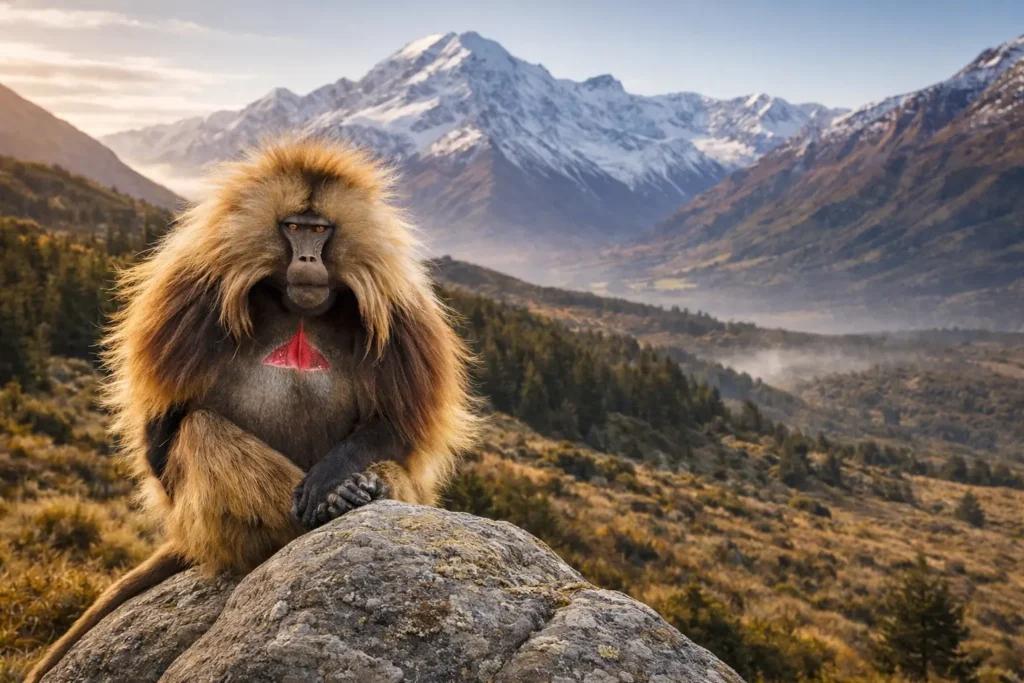
Book the day experience: Day trek to Simien Mountain
3 days: the “proper trek feel” without turning it into a full expedition
This is the sweet spot if you want time to settle into the altitude, see the mountains in changing light, and not feel like you sprinted through something legendary. Trip.com doesn’t always show a clean “3-day Simien trek” product in every market, so the most reliable way is to base yourself in Gondar and add a day trek (or two) from there.
- Day 1: Arrive in Gondar, sleep early, hydrate, and keep dinner simple (altitude + big spicy meals isn’t a fun combo).
- Day 2: Do the “main panorama day” as a guided experience: Day trek to Simien Mountain
- Day 3: Use as a flex day: extra viewpoints if you feel great, a slower city/castles day if you’re tired, or simply buffer for weather/road timing.
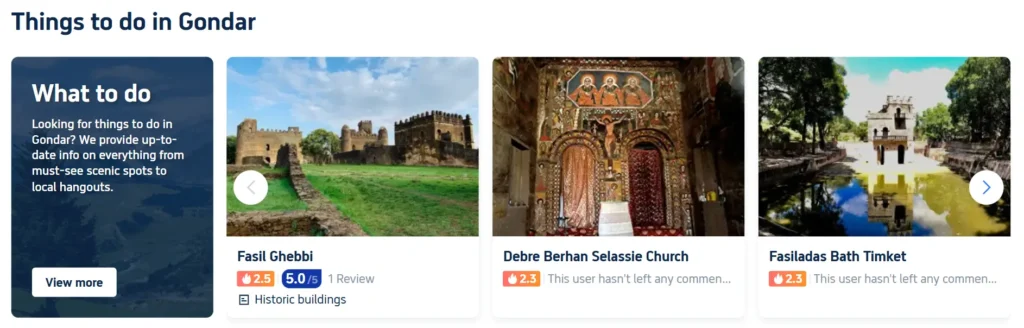
Base stay shortcut (Gondar): Browse Gondar hotels on Trip.com
Why this works: you’re not forcing a rushed schedule. Gondar makes logistics simpler, and your “flex day”
6 days: the “done-for-you Northern Ethiopia loop” (Bahir Dar + Gondar + Simien)
If you want a true story-arc trip (not just “a park day”), your 6-day option is strong because it bundles multiple northern highlights and includes a full Simien day – without you stitching the logistics together.
- Day 1: Addis Ababa city highlights
- Day 2: Fly to Bahir Dar + Lake Tana monasteries
- Day 3: Blue Nile source / scenic day
- Day 4: Drive to Gondar + castles/royal enclosure
- Day 5: Full day in the Simien Mountains (the big views + geladas day)
- Day 6: Fly back to Addis Ababa + farewell dinner
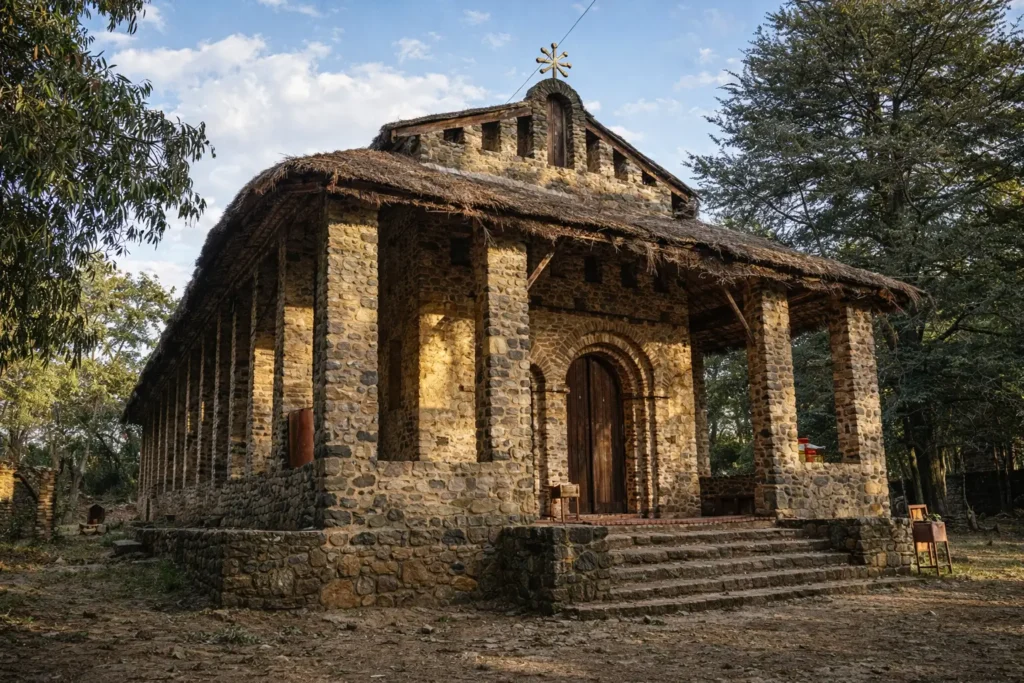
Book the 6-day tour on Trip.com: 6-Day Gondar, Bahir Dar & Simien Mountains Tour
What to eat in Ethiopia (simple, trekking-friendly food to look for)
Food in Ethiopia is part of the adventure, and it’s also practical fuel for hiking days. The easiest way to order is to aim for one “proper plate” meal per day, then keep snacks simple and predictable (especially at altitude). Here are the best things to look for around Addis Ababa and Gondar before/after your Simien trek.
Injera + mixed platters (the classic must-try)
Most Ethiopian meals revolve around injera – a soft, sour flatbread that acts like your plate and your utensil. The easiest order is a mixed platter (often called a “combo”): you’ll get several stews and sides in one, which is perfect if you don’t want to overthink the menu.
Shiro (the reliable comfort meal)
Shiro is a smooth, warm chickpea stew that’s filling without feeling heavy. It’s one of the best “before trek” meals because it’s gentle on the stomach and gives steady energy -exactly what you want when altitude can make digestion feel a bit weird.
Tibs (when you want protein and something satisfying)
Tibs are sautéed meat pieces (often beef or lamb) cooked with onions, peppers, and spices. If you’ve had a big hiking day and you want a meal that feels like a reward, tibs usually hits the spot.
Doro wat (rich, iconic, spicy – in a good way)
Doro wat is a famous chicken stew with deep flavor and real spice. If you love spicy food, this is a “don’t leave Ethiopia without it” dish. If you’re sensitive to heat, ask for something milder or balance it with shiro.
Kitfo (only if you’re confident with raw/rare meat)
Kitfo is a well-known Ethiopian specialty (minced beef served raw or lightly cooked, depending on how you order). It’s amazing for many travelers – but if you’re about to trek, or your stomach is sensitive, this is the one I’d save for the end of your trip.
Coffee (buna) + simple sweets
Ethiopian coffee is world-class, and having a coffee break is part of the rhythm. If you’re hiking the next day, keep it easy: coffee, a small sweet, then water. Hydration matters more than people expect at altitude.
Practical tips for trek days
- Go steady with spice the night before a long hike – altitude + spicy food can be a combo.
- Eat small, often: snacks and a lighter lunch can feel better than one huge meal.
- Drink more water than you think – it’s the simplest way to feel stronger on the trail.

Where you’ll most easily find good food before/after the trek: Addis Ababa (best variety) and Gondar (most convenient base for the Simien region).
The viewpoints and places people search for (Trip.com pages)
If you’re building your trek around “wow moments,” here are Trip.com attraction pages that match the classic Simien highlights people look up:
- Imet Gogo (viewpoint)
- Ras Dashen (Ethiopia’s highest peak)
- Geech (area/stop people reference)
- Jinbar Waterfall
- (Broader area page) Semien Mountains
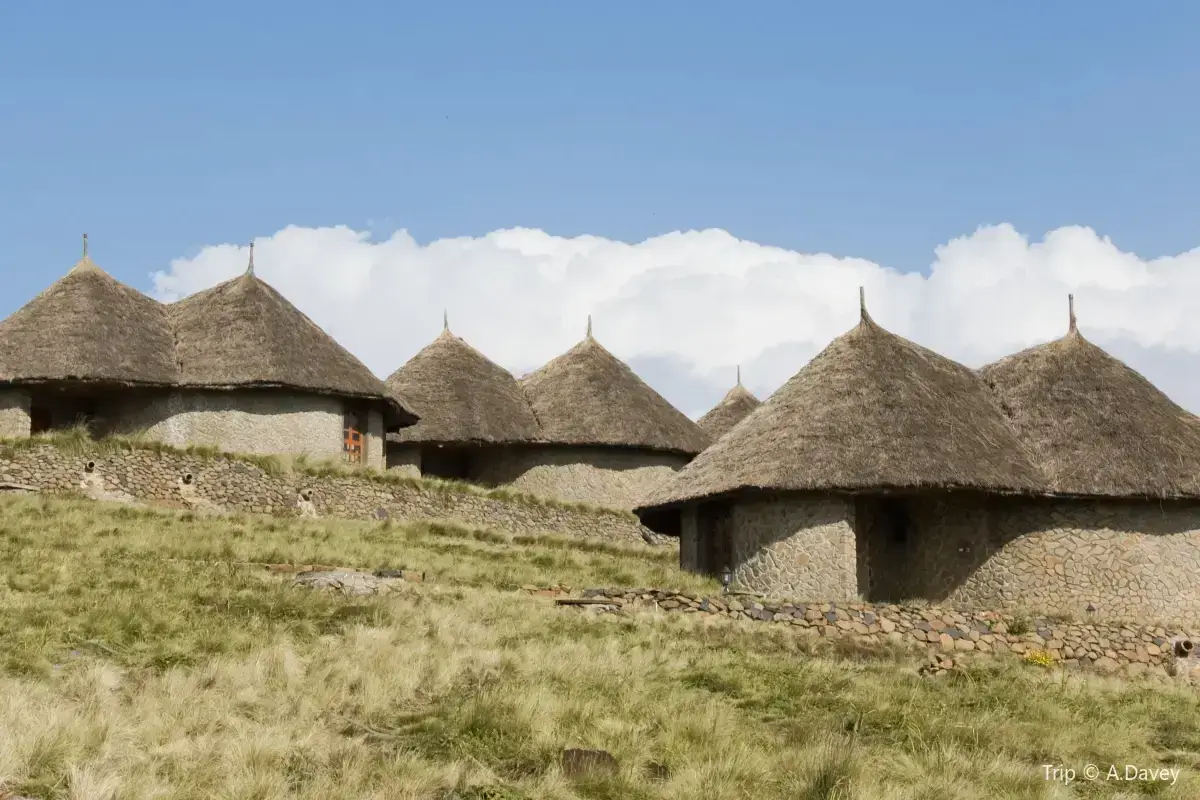
What I packed that mattered (and what I stopped carrying)
I won’t dump a massive gear list here – just the things that actually changed comfort:
- Footwear you trust (if your feet hurt, everything gets harder)
- Layers (cold mornings, warmer afternoons, quick drops at night)
- Wind protection (light jacket = happier ridge walking)
- Water + simple snacks (steady energy feels like a superpower)
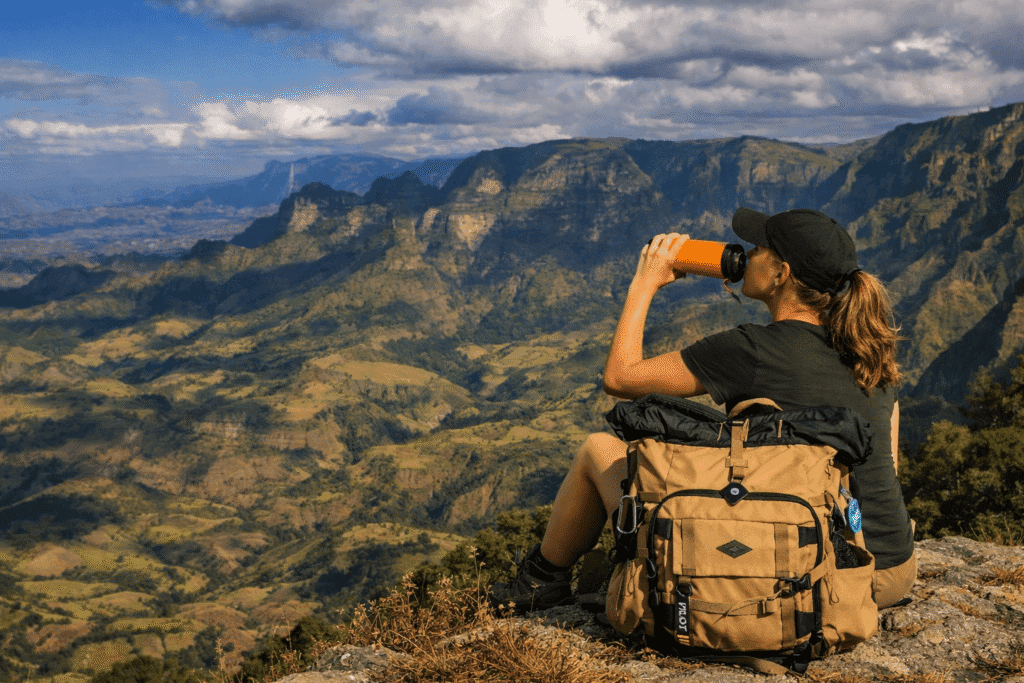
What I stopped carrying: anything that made me feel like I was hiking with a closet on my back. The Simiens aren’t the place to impress anyone with heavy gear – they’re the place to move comfortably and look around.
The night sky is the quietest reward
If you camp or stay high, nights in the Simiens hit differently. The temperature drops, the air stills, and the sky feels huge.
There’s a moment when you stop talking because you realize you don’t need words. You’re just there – warm enough, tired in a good way, completely removed from noise.
One simple Simien Mountains tip (if you only remember one thing)
Slow down on purpose.
Not because the hike is too hard – but because the Simiens give you more when you give them time. When you slow down, you see details you’d miss: a line of light on a cliff, geladas grooming, cloud shadows racing across a valley.
You’ll get the cliff views and the wild feeling you’re hoping for. But you’ll also get smaller moments that stay with you: quiet ridges, changing light, wildlife doing its own thing, and a sense of space you can’t fake.
If you’re ready to plan it:

FAQ: Simien Mountains hike (Ethiopia trekking essentials)
Where are the Simien Mountains in Ethiopia?
The Simien Mountains are in northern Ethiopia, with most treks starting from Debark (the main gateway town) and using Gondar as the easiest nearby city base. Most travelers fly into Addis Ababa first, then connect north before heading into the park.
How many days do you need for a Simien Mountains trek?
For first-timers, 3 days is the “proper” minimum to feel the landscape, while 5 days is the sweet spot for better acclimatization, a weather buffer, and more iconic ridge time. If you only have one day, you can still get a high-impact viewpoint hike, but it will feel more like a sample than a full story.
Do you need a guide for the Simien Mountains?
In practice, most travelers trek with a guide and park arrangements (and in many cases it’s required through park logistics). The Simien Mountains are remote, conditions can change fast, and having a guide makes the experience smoother, safer, and honestly more enjoyable -you spend your energy on the views, not on problem-solving.
Is the Simien Mountains hike difficult?
The trails themselves are not “technical,” but the altitude is the real challenge. Even moderate hills can feel harder than expected. The best approach is a slow pace, short steps, and frequent water/snack breaks. If you respect the altitude, the trek becomes very doable for most reasonably fit travelers.
What is the best time to visit the Simien Mountains?
For the clearest views and easiest trails, most people aim for the dry season (roughly October to March, sometimes into April). Shoulder months can be quieter and greener, while the wetter months can bring clouds and muddy trails. If your trip is short, dry season is the safest bet for big panoramas.
How do you get to Simien Mountains National Park?
Most routes go Addis Ababa → Gondar (often by flight), then overland to Debark, where park logistics typically start. If you’re tight on time, flying north saves a lot of energy compared to long road days.
Can you see geladas in the Simien Mountains?
Yes -gelada monkeys are one of the iconic wildlife moments in the Simiens. You’ll often see troops grazing on the high grass slopes near trekking routes. Keep a respectful distance, stay calm, and let them do their thing—watching them in their real habitat is part of what makes the park feel alive.
What should you pack for a Simien Mountains hike?
Pack for changing mountain weather: comfortable hiking shoes, layers (cool mornings and nights, warmer afternoons), a light rain/wind jacket, sun protection, and snacks. The most important “comfort upgrade” is staying warm enough on ridgelines and dry enough if clouds roll in.
Is it safe to hike in the Simien Mountains?
Safety depends on planning and local conditions. The best choice for most travelers is doing the trek with reputable local support and following park guidance. Start early, respect the altitude, and don’t push in bad weather. A guided setup removes most of the common stress points.
How much does a Simien Mountains trek cost?
Costs vary based on trek length, logistics, and what’s included (transport, guide support, park arrangements, camping vs lodges). The easiest way to keep it simple is booking a tour that bundles the essentials, then choosing your comfort level for accommodation.
What are the most popular attractions in Ethiopia?
National Museum of Ethiopia | Red Terror Martyrs’ Memorial Museum የቀይ ሽብር መታሰቢያ ሙዚየም | Jinka Museum | Mount Entoto | Holy Trinity Cathedral | Great Rift Valley | Danakil Desert | Bete Medhane Alem | Bete Amanuel | Chamo Lake | Arbaminch Eco campsite | Saint Gebriel Church Hawassa
What are the most popular restaurants in Ethiopia?
Ben Abeba | Montmartre | Villaverde Addis Ababa | Pepper and Spice Restaurant | Clay Pot | Le Diamant | Istanbul International Restaurant | Old Abyssinia Lodge and Restaurant | Lucy | Venezia Italian Restaurant | Temsalet Kitchen | The HQ Irish Pub | La flambée | Tg home style lalibela restaurant | Addis Ababa Restaurant

Ethiopia Travel Hubs (Quick Links)
- Popular Luxury Hotels in Ethiopia
- Top 10 Best Things to Do in Ethiopia
- Popular Scenic Hotels in Ethiopia
- Top 10 Premium Hotels in Ethiopia
More TripArx Guides to Keep Planning
Keep the momentum going with these quick, copyable guides.
- Japan Travel Guide 2026: Tokyo, Kyoto & Osaka Itineraries – a simple first-timer route across Japan.
- Thailand Travel Guide: Best Places, Itineraries & Wellness Retreats – best places, itineraries, and wellness-friendly picks.
- New Zealand Travel Guide: North vs South + Itineraries – north vs south planning with copyable itineraries.
- Barcelona Gaudí Itinerary: What to See + Where to Stay – a Gaudi-focused plan with where to stay.
- 48-Hour Budapest Itinerary: Food, Photos & 2 Nights Under $1500 – a tight 48-hour city plan you can copy.
- Ziplining in Costa Rica: Best Places + Tours Worth Booking – the best zipline spots and tours worth booking.
- Tokyo Travel Guide: Best Areas + Easy Itineraries – where to stay, what to book, and easy day plans.