
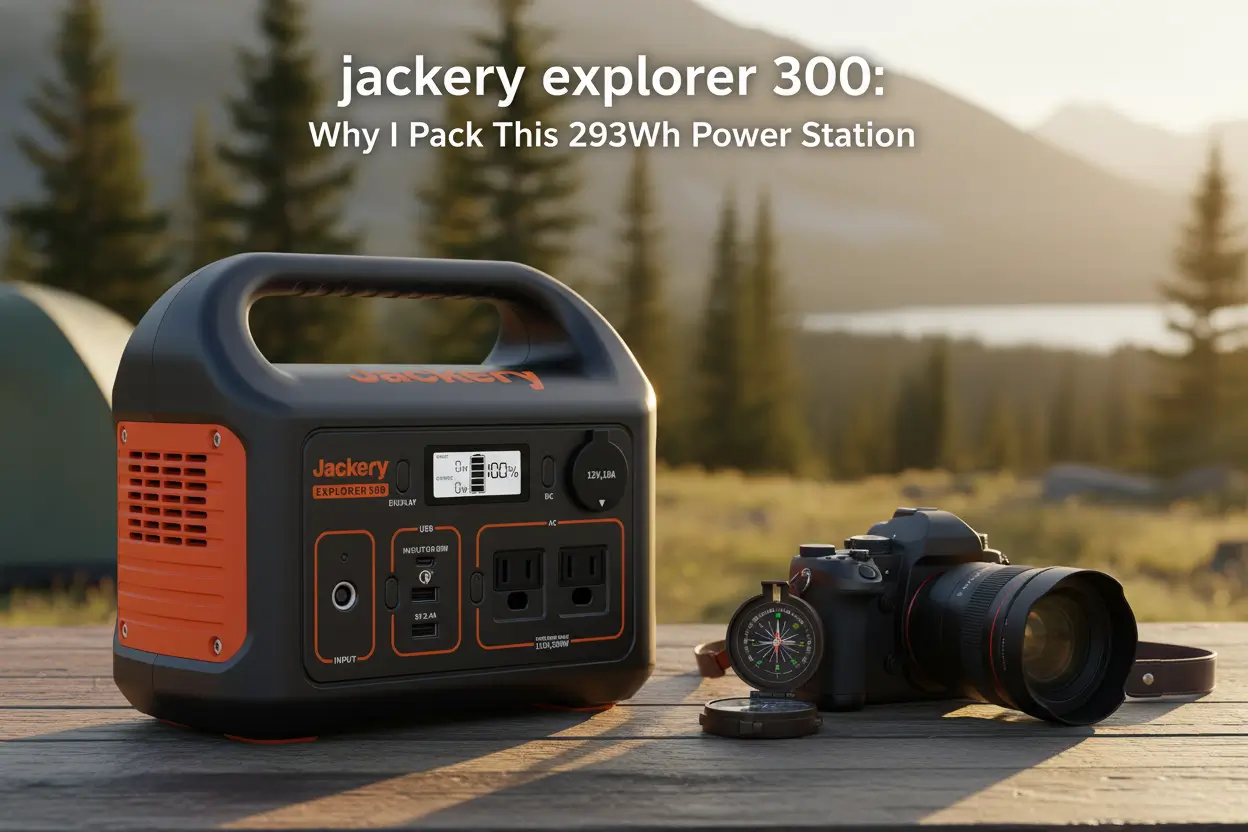

I learned the hard way that a dead battery can turn a perfect day of hiking into a logistical mess. The jackery explorer 300 became non-negotiable after an overnight storm knocked out power during a road trip and I needed to top up a phone, camera, and laptop for the next day’s work calls.
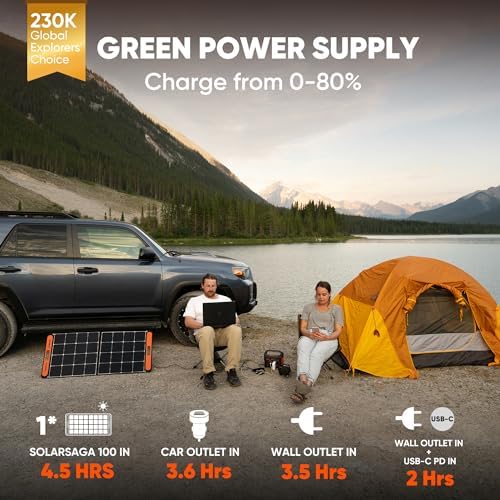
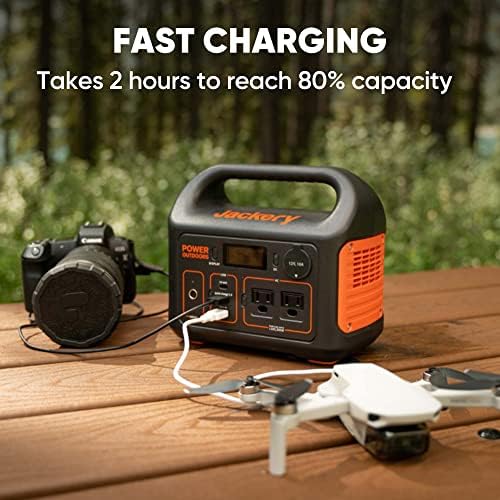
Within 48 hours of testing it in real conditions I saw the headline benefit: the unit can get to 80% in about 2 hours when using the wall outlet and the 60W PD USB-C port at the same time. That’s not marketing fluff—it changed how I plan charging on long trips.
If you travel with multiple devices and hate being tethered to cafes or noisy hotel lobbies, does it make sense to carry a compact power station that actually keeps you moving?
Why This Earned a Spot in My Bag
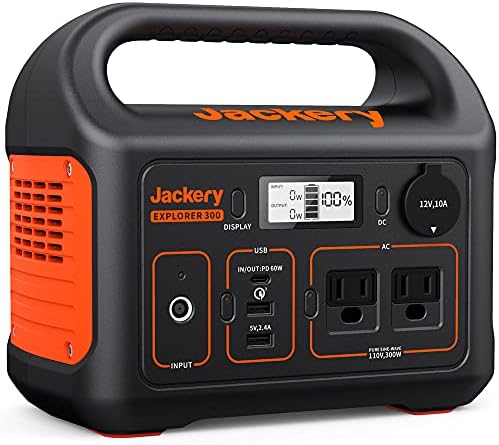
For me, the travel checklist is simple: light packability, reliability, and fast charging. The jackery explorer 300 fits into a mid-sized backpack or the trunk of my car without feeling like dead weight. I use it on road trips, weekend camping, and during longer stints at Airbnb stays where outlets are limited or located inconveniently.
Scenarios where I reach for it: a 2-day festival with no reliable power, a blackout during a business trip, or a campground where I need at least one full laptop charge and several phone boosts. If you work remotely and need to keep a small workstation alive, this is the kind of gear that stops you from losing billable hours.
What Sold Me On It
- Recharge speed that matters: Using the wall outlet and the 60W PD USB-C port together gets you to roughly 80% in 2 hours. That means less downtime waiting for a full recharge.
- Multiple recharge options: You can top up at home with an AC adapter, from your car outlet on the road, or via a compatible solar panel like the Jackery SolarSaga 100 when you’re off-grid.
- Capacity and portability: The 293Wh capacity is large enough for several phone charges, camera batteries, and a laptop top-up, yet small enough to fit in a backpack or suitcase pocket. Packability beats hauling a noisy generator.
- Durability and travel practicality: Built with travel in mind—sensible materials, a compact handle, and a shape that sits neatly in a suitcase or car boot. It’s not waterproof, so I protect it from heavy rain, but it handles bumps and hostel lockers fine.
- Safety and cables: I appreciate that charging ports are straightforward: USB-C PD, AC outlet, and car input. No need to swap odd adapters mid-trip. I keep a short USB-C cable and an AC adapter in the same compartment for maintenance-free packing.
What I Check Before Buying
If I’m comparing similar power stations, here are the criteria I use and the trade-offs I accept:
- Charge speed vs weight: Faster recharge means more convenience. I’d rather carry a slightly heavier 293Wh unit that charges quickly than a lighter one that takes half a day to top up.
- Recharging methods: AC + USB-C PD simultaneous charging is a big plus. Solar compatibility is useful, but I only rely on it when I’m camping or hunting where sunlight is consistent.
- Port selection: I need at least one AC outlet and a USB-C PD port. Extra USB-A ports are a bonus, but not a dealbreaker.
- Packability: Fit matters. If it won’t sit in my backpack or fit neatly in my suitcase, I skip it.
Quick Setup Before You Hit the Road
- Pack smart: I keep the power station in a cloth bag inside my backpack or in a padded slot in my suitcase to protect it from scuffs.
- Bring the basics: One short USB-C PD cable and the AC adapter. That lets me use the 60W port for fast top-ups and the wall port for simultaneous charging.
- Plan charging windows: I charge to 80% using wall + PD when I have a 2-hour layover or before I head out for a long stretch. That 80% gives me the flexibility to charge multiple devices later.
- Use car outlet for road trips: If I’m driving, I top up from the car outlet during long legs—it’s convenient and keeps devices ready when I stop.
- Solar trick: On extended camping trips I pair it with a SolarSaga 100 to keep a steady trickle when the sun is strong. It’s not instant, but it trims maintenance and cable juggling.
If You’re Hesitating, Read This
- “Isn’t it bulky?” I worried about this too. In practice the Explorer 300 sits in a mid-sized backpack or suitcase without hogging space. It’s heavier than a power bank, but worth it if you need multiple AC-style charges.
- “Do I really need 293Wh?” For day hikes you don’t. For multi-day camping, remote work, or blackout prep, the capacity means one full laptop charge plus several phone charges. That peace of mind is why I packed it.
- “What about safety and maintenance?” I treat it like any kit—keep it dry, avoid extreme heat, and store it around 40-60% if unused for months. Basic care keeps it reliable.
- “Solar sounds slow.” It is slower than wall charging. I use solar as a sustainability backup on long trips, not as my primary quick-charge method. For speed, the dual wall + PD approach is the go-to.
- “Will it survive hostel life and buses?” Yes, it handles the knocks of travel. I avoid tossing it into a checked suitcase loose; padding and smart placement in a backpack or locker keeps it safe.
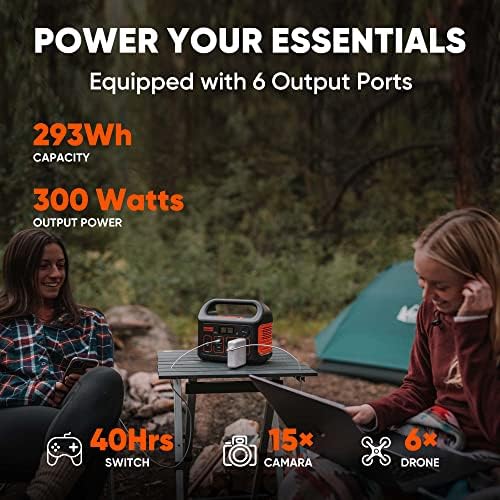
I pack the jackery explorer 300 because it reliably bridges the gap between a pocket power bank and a noisy generator. It’s for the traveler who values fast charging, multiple recharge options, and packability—especially road trippers, campers, and anyone who works on the go.
Some links are affiliate. As an Amazon Associate, I earn from qualifying purchases – at no extra cost to you. It helps keep these finds coming. Thanks for your support!