
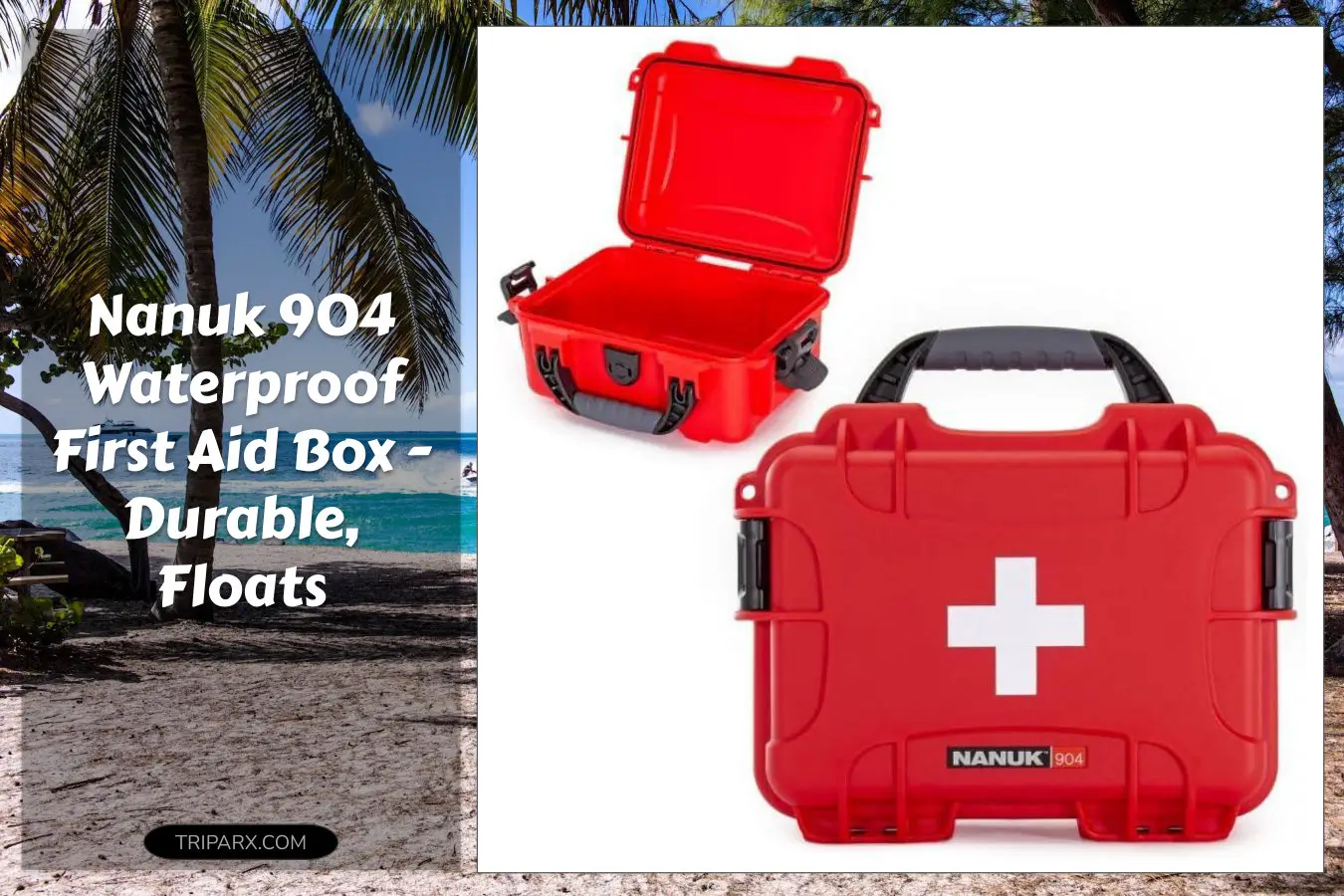

The nanuk 904 waterproof first aid box fixes three rookie mistakes people make with emergency kits: flimsy fabric pouches, no waterproof seal, and no way to recover a kit that goes overboard. It’s a compact, purpose-built hard case with interior dimensions of 8.4 x 6.0 x 3.7 inches—big enough for serious supplies, small enough for a backpack or glovebox. Who wants soggy gauze and ruined bandages when minutes count?

Key Features & Real-World Use
The NANUK 904 is built from NK-7 resin for true impact resistance and crushproof performance. It’s IP67-rated, dustproof, and seals with an O-ring gasket to keep moisture and salt spray out. Practical touches include TSA lock-ready eyelets and a buoyant design that floats even when loaded—handy for boaters, kayakers, and anglers.
- Rugged shell: NK-7 resin resists dents and UV exposure for long service life.
- IP67 waterproof: dustproof, submersion-safe, and sealed with an O-ring gasket.
- Floats when closed: recovers easily if dropped overboard during lake or ocean outings.
- Interior sizing: 8.4 x 6.0 x 3.7 in offers organized storage for bandages, trauma dressings, tweezers, and small tools.
- Travel-ready: TSA lock-ready eyelets for secure transit and peace of mind on flights.
- Maintenance-friendly: wipe-clean interior, replaceable foam or customizable dividers for organization.

How to Choose
Pick a first aid case that matches how and where you operate. Here are four quick criteria and the trade-offs to expect.
- Material & durability – NK-7 resin gives crushproof performance versus soft pouches that tear. Trade-off: slightly heavier but far tougher.
- Waterproof rating – IP67 ensures short-term submersion protection and dustproofing. If you need full diving depth, look for higher ratings.
- Size vs capacity – The NANUK 904 interior fits essential medical gear without bulk. If you need large trauma supplies, upgrade to a bigger case.
- Organization options – Foam inserts, dividers, and pouches change how you store meds, bandages, and instruments. Modular layout boosts response speed.
Quick Setup & Use
- Empty and inspect the case, wiping the interior clean to ensure the O-ring seal is debris-free.
- Add a thin foam insert or small pouch to separate dressings, tweezers, scissors, and meds.
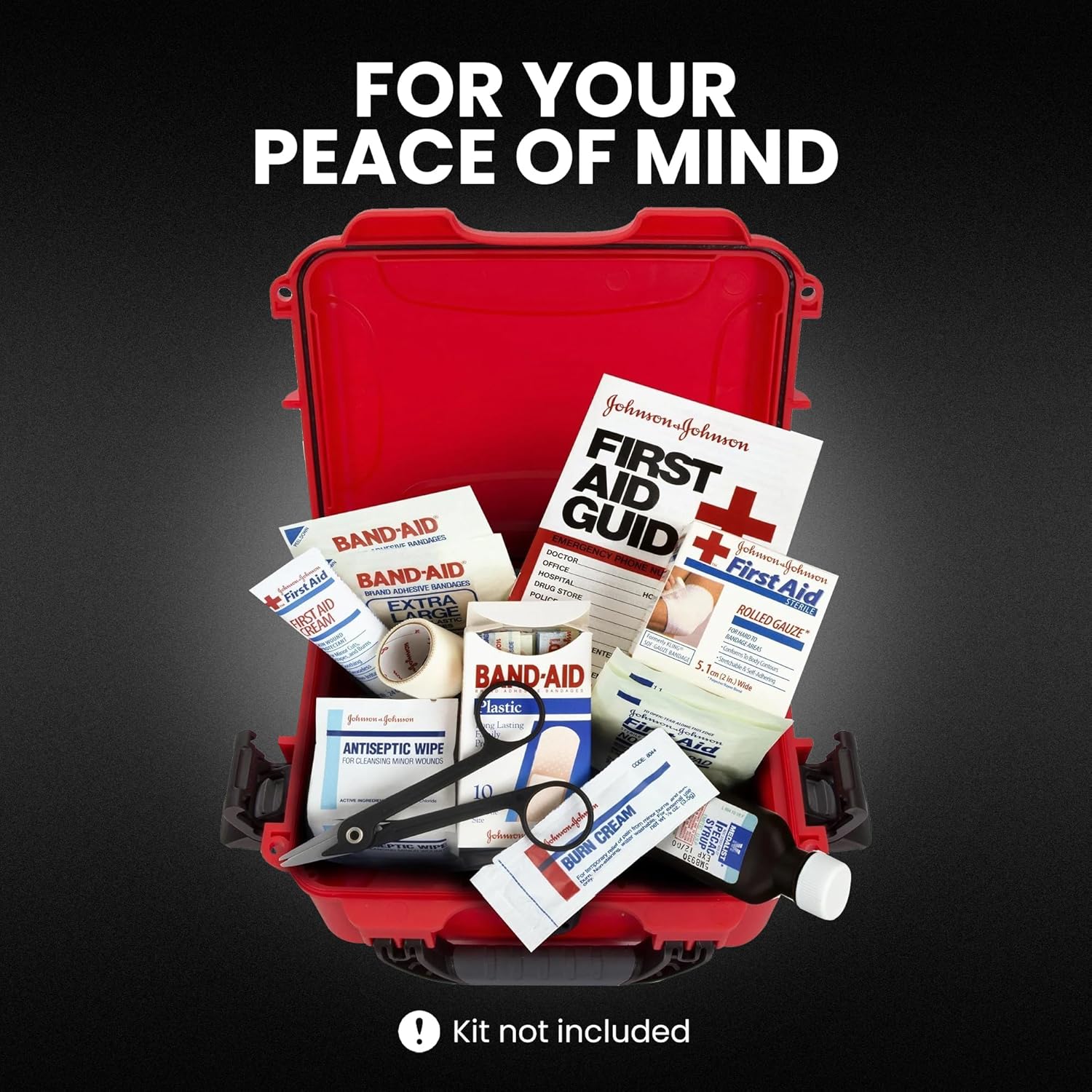
- Stock essentials: adhesive bandages, sterile gauze, trauma dressing, antiseptic wipes, tape, and a compact CPR mask.
- Label contents on the lid and keep a small checklist taped inside for quick inventory.
- Close and lock with a small TSA-compatible padlock for travel, then store in a glovebox, pack, or cockpit compartment.
Buyer Doubts Solved
Worried it’s overkill? If you value dry, organized supplies when off-grid or on water, a hard case is the practical choice. The NANUK 904 is compact enough for a daypack yet tough enough for harsh conditions.
Concerned about weight? It’s heavier than soft bags, yes, but the trade-off is protection: crushproof shell, impact-resistant corners, and a watertight seal that preserves sterile supplies.
Is it complicated to maintain? Not at all. A quick wipe and occasional O-ring check keep it performing. Replacement gaskets and foam are common accessories if you want to customize.
Will it float with tools inside? The case is engineered to float even when fully loaded, so you can retrieve your kit if it goes overboard.

Stash one in your car, toss it in the boat, or keep it in your hiking pack and sleep better knowing bandages, gauze, and small instruments are protected. For adventure-ready protection that actually performs, this case is a dependable upgrade.
Some links are affiliate. As an Amazon Associate, I earn from qualifying purchases — at no extra cost to you. It helps keep these finds coming. Thanks for your support!