


This New York City travel guide is built for first-timers: pick one base near a major subway hub, plan by neighborhoods (Midtown, Downtown, Brooklyn/Queens), and book only 1–2 “headline” tickets in advance. Use tap-to-pay (OMNY) for subways and buses, and keep the rest flexible for walking, parks, and spontaneous finds.
Quick Snapshot
NYC rewards a simple plan: pick one main area to sleep, stack nearby sights together, and leave room for detours because the city will provide them. Your feet will still complain, but that’s the point.
- Best for: First-timers who want icons, food, and museum time, plus repeat visitors who like neighborhoods more than checklists.
- Ideal trip length: A long weekend for highlights, or close to a week if you want museums, parks, and evenings out without sprinting.
- Typical daily budget range: Mid to very high – NYC can be surprisingly reasonable with smart meals, or wildly expensive with shows and splurges.
- Biggest mistake to avoid: Booking too many timed attractions in one day and losing hours to transit and queues anyway.

New York City Brief Guide
New York City feels like a dozen cities sharing the same sidewalk. Manhattan is the headline act, but Brooklyn and Queens often deliver the most memorable meals, views, and neighborhood energy.
Plan by neighborhoods, not miles. If your morning is in Midtown, keep your afternoon nearby; if you’re headed downtown, commit and build the day around it. A short break works best when you pick two zones per day and let everything else be a happy accident.
New York City Must-try Local Experiences
- Do a sunrise or golden-hour walk over the Brooklyn Bridge, then grab breakfast on the Brooklyn side.
- Ride the Staten Island Ferry for harbor views, then keep going if you actually want Liberty Island time.
- Spend an afternoon in a single neighborhood (West Village, Harlem, Jackson Heights) and treat it like its own small city.
- Book a boat ride that fits your vibe – fast, scenic, or narrated – if you want Statue of Liberty views without logistics stress.
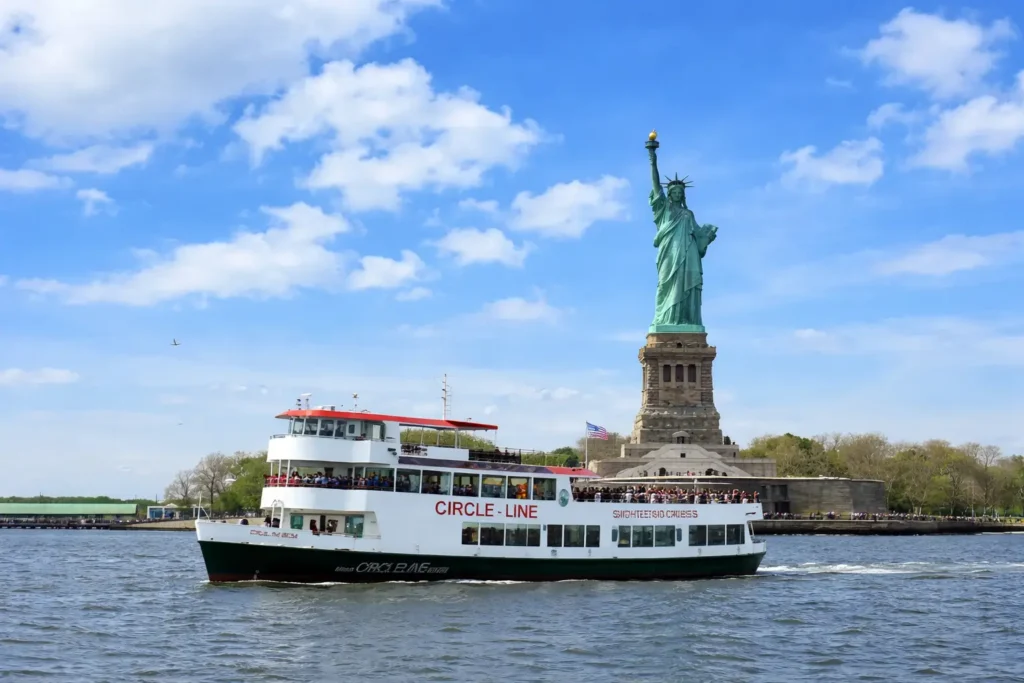
Compare Statue of Liberty cruise options.
- Do one guided “orientation” walk early in your trip so you stop staring at maps like it’s your job.

Check a Manhattan walk with an observation deck add-on.
- Pick one skyline moment and commit: observation deck, rooftop, or waterfront park. Your camera roll will thank you.
- Eat something excellent in Queens, even if it means taking the subway on purpose for once.
- End one night with a low-effort view: riverside promenade, bridge overlook, or a high floor if your hotel has it.
New York City Must-see Attractions
- Central Park: It’s the city’s reset button. The watch-out is underestimating how big it is – pick a few stops and don’t try to “see it all.”
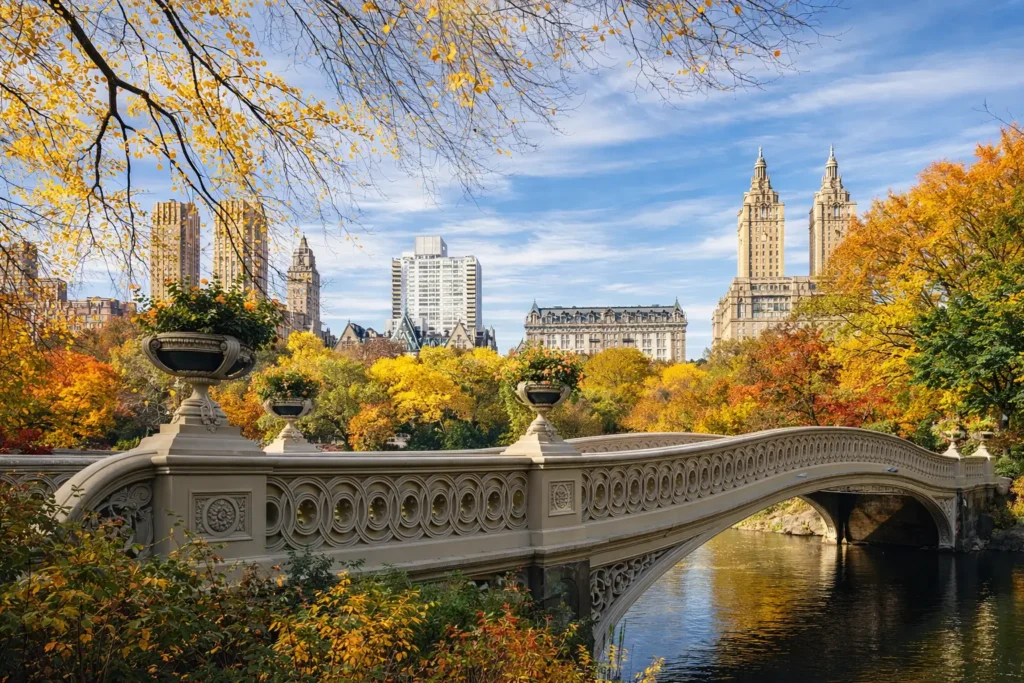
- Museum day (choose one anchor): NYC museums are world-class, so pick a main one and add a smaller nearby stop instead of collecting them like trading cards.

The Metropolitan Museum of Art
- MoMA: Great if you want modern art that actually feels like modern art.
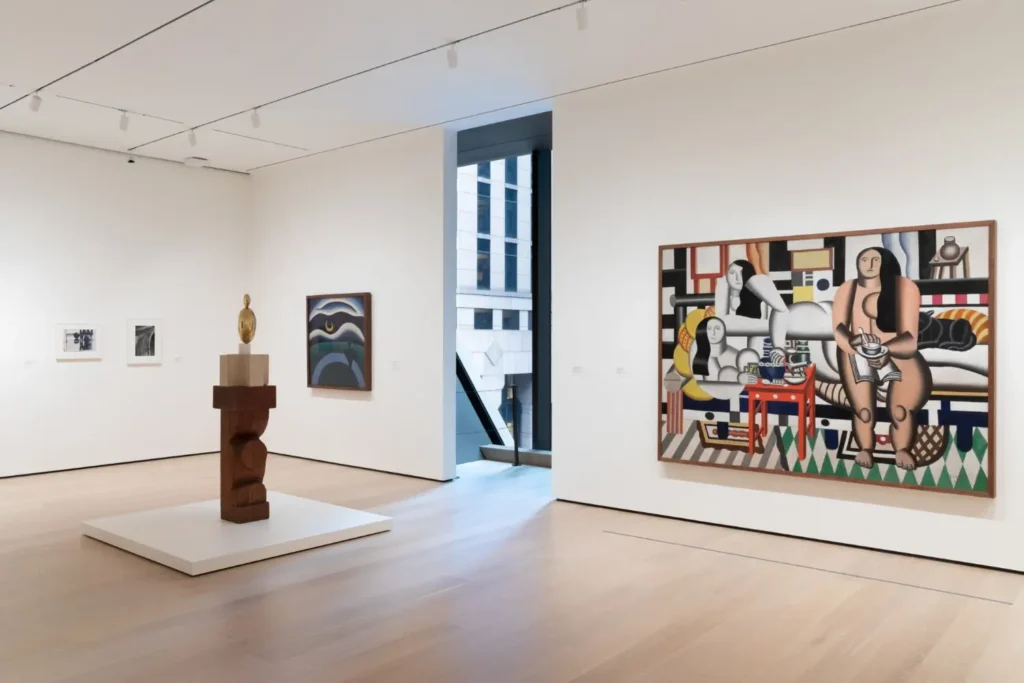
Check MoMA ticket options to reduce line roulette.
- American Museum of Natural History: The dinosaur-to-space pipeline is still undefeated, especially if you’re traveling with curious humans.

- Empire State Building: Classic, central, and photogenic even when you’re not inside it.
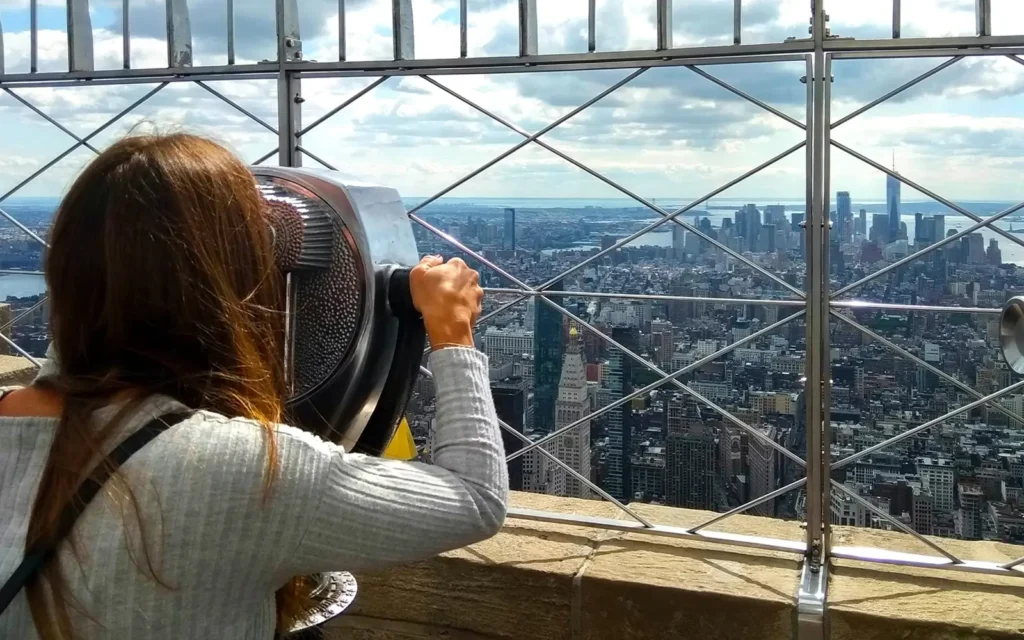
Reserve an admission time if you hate waiting.
- Top of the Rock: A Midtown view that puts other skyscrapers in your photos, not just beneath your feet.
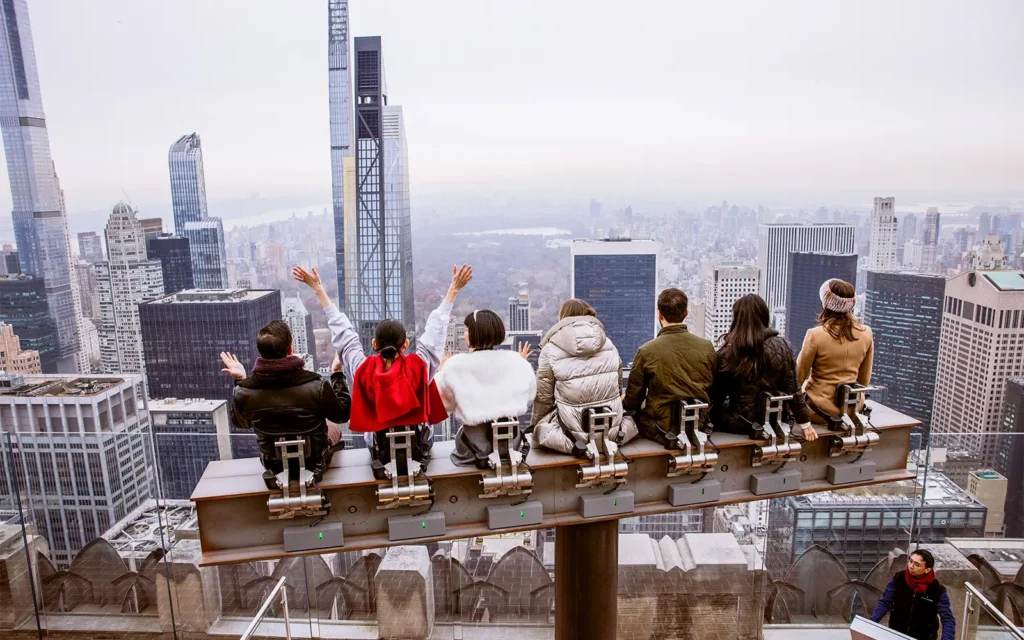
Compare pass options if you want smoother entry.
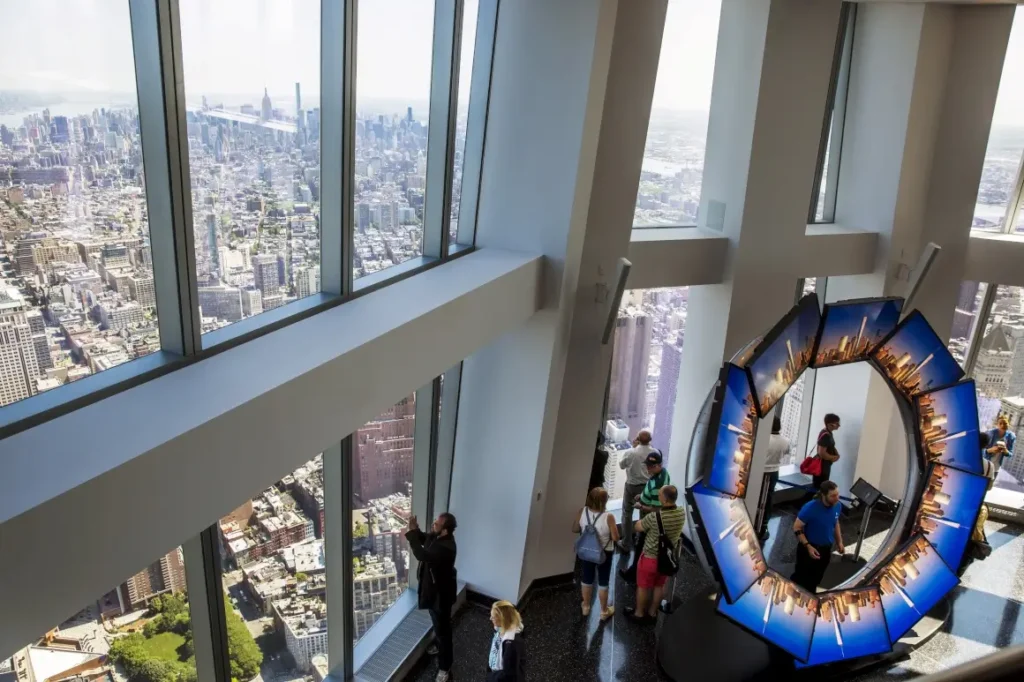
- One World Observatory: Best for downtown perspective and a big-sky feeling, especially after exploring Lower Manhattan.
- Statue of Liberty and Ellis Island area: Worth it if you like history and harbor views, but plan for a half-day mindset.

- The High Line: A walk with views, art, and people-watching – do it early if crowds drain your soul.

- Edge (Hudson Yards): A dramatic deck for people who like glass, height, and bragging rights.

Top 50 Best Things to Do in New York
New York City Food Guide
NYC is a “follow your cravings” city, but a little structure helps. Pick one food neighborhood per day (Chinatown, Koreatown, Little Italy areas, Jackson Heights, Williamsburg) and snack your way through it instead of locking yourself into one long sit-down meal.
- Pizza slice: Grab-and-go fuel that doubles as a cultural institution.
- Bagel with a serious spread: Breakfast that can carry you to an afternoon museum.
- Deli sandwich: Eat it in a park and pretend you live here.
- Dumplings and noodles: Chinatown and Queens bring the depth.
- Steakhouse or classic bistro: Do one “only in New York” dinner if it fits your budget mood.
- International street snacks: Markets and food halls are efficient when your group can’t agree on anything.
Top 50 Must-Visit Restaurants in New York

New York City Transportation
Airport to city
Choose your airport transfer based on your tolerance for transfers and luggage wrangling. If you land late, have a tight check-in window, or you’re traveling with kids, a pre-booked transfer can be the calm option.
- Compare Newark Airport to Manhattan bus transfers if you want a simple, shared ride option.
- Check JFK one-way private transfers when you want door-to-door without decisions.
- Browse private transfer services if you want to cover multiple airports or a port pickup.

Getting around
The subway is the backbone, while walking handles the rest. Use a map app that shows real-time service changes, and give yourself a little buffer for “wrong exit” moments because they happen to everyone, including confident locals.
- Walk when you’re going fewer stops than you think – it’s often faster and more interesting.
- Use the subway for cross-town jumps and neighborhood-to-neighborhood moves.
- Save rideshares for late nights, heavy rain, or when your feet officially resign.
Day trips
Day trips work best when they’re simple: one main destination, early start, and a plan to be back for dinner. Good categories include beaches, river towns, and easy nature breaks when the city feels a bit too city.
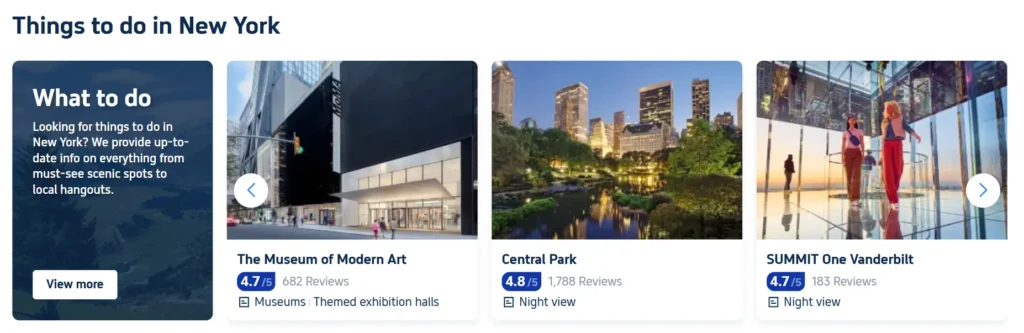
New York City Where to Stay
If you want the easiest trip, choose a base near a cluster of subway lines so you can change plans mid-day without a long commute. Manhattan is convenient for first-timers, while Brooklyn can feel more lived-in and less “tour itinerary on legs.”
- Midtown: Best for first-timers and show nights; watch-out for crowds and higher prices.

- Times Square area: Best for pure convenience and late nights; watch-out for noise and tourist saturation.

- Lower Manhattan: Best for downtown exploring and photo walks; watch-out for weekend nightlife spillover in some pockets.

- SoHo and nearby: Best for shopping, cafes, and quick downtown access; watch-out for hotel rooms that run compact.
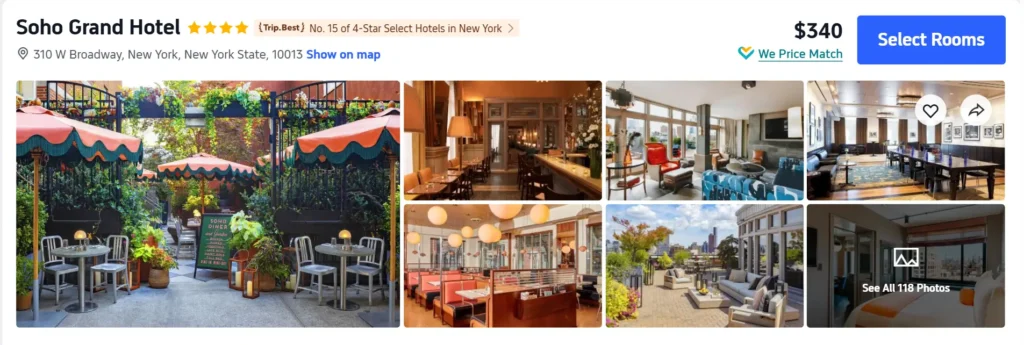
- Brooklyn (select neighborhoods): Best for restaurants and calmer evenings; watch-out for longer commutes if your plans are mostly Midtown.

To narrow it down fast, compare hotel availability by area and choose the tradeoff you can live with.
- Browse hotels in Manhattan
- Compare hotels around Times Square
- Check hotels in Lower Manhattan
- Browse hotels in Brooklyn
Top 20 Instagrammable Hotels in New York
New York City Best Time to Visit
NYC is a year-round city, but your comfort level depends on weather tolerance and crowd patience. Shoulder seasons can feel smoother, while peak summer and holiday periods can be thrilling or exhausting, sometimes both before lunch.
| Season | What it feels like | Best for | Packing note |
|---|---|---|---|
| Winter | Cold, brisk, and occasionally dramatic weather. | Museums, cozy dining, holiday atmosphere. | Warm layers, good shoes, and a plan B for windy days. |
| Spring | Changeable but refreshing, with parks waking up. | Walks, neighborhood days, lighter crowds. | A light jacket and something for rain. |
| Summer | Hot and busy, with long days and lots happening. | Outdoor events, rooftops, waterfront time. | Breathable clothes and a refillable water bottle. |
| Fall | Crisp air and photogenic light, often peak energy. | Parks, skyline views, comfortable walking. | Layers for cooler mornings and evenings. |
New York City Travel Tips
- If you want fewer lines, then book timed tickets for at least one museum and one observation deck ahead of time.
- If you hate backtracking, then group your day by neighborhood or subway line and stop trying to “just pop over” to another borough.
- Limit yourself to one major timed attraction per half-day so your schedule doesn’t collapse when the city does city things.
- Bring a reusable water bottle and comfortable shoes. NYC is a walking city pretending to be a taxi city.
- For skyline photos, aim for early or late light and pick one viewpoint rather than chasing them all.
- Use quick meals strategically. A slice or bagel buys you more museum time than a long brunch line.
- Keep an eye on your belongings in crowds and on transit. Not paranoia, just basic city mode.
- Have one “no-plan” block built in for shopping streets, parks, and spontaneous finds.
- If you’re seeing a show, plan dinner nearby and leave buffer time for lines and last-minute changes.
- When in doubt, step aside before stopping to look at your phone. It’s a small kindness to everyone behind you.

New York City Useful Guide
Basics checklist: Make sure you have a working payment method, a navigation app that functions offline, and a way to stay connected (SIM/eSIM or roaming). Carry a small day bag that closes securely, and keep a note of your hotel address somewhere that doesn’t require a dead phone to access.
- Comfortable walking shoes you’ve already broken in
- Light layers (NYC weather changes and indoor AC can be intense)
- Compact umbrella or rain shell
- Portable charger
- Refillable water bottle
- Small crossbody or zip-close day bag
- Earplugs if you’re a light sleeper
New York City travel guide FAQ
What’s the easiest way to structure a first NYC visit?
Pick one base, then plan by neighborhoods: Midtown on one day, downtown another, and one Brooklyn or Queens day for food and views.
Do I need to book tickets in advance?
For popular museums and observation decks, advance tickets usually mean less time waiting and more time actually doing things.
Which observation deck should I choose?
Pick one based on location and vibe: Midtown decks pair well with Midtown sights, while downtown decks fit a Lower Manhattan day.
Is it better to stay in Manhattan or Brooklyn?
Manhattan is the most convenient for first-timers, while Brooklyn can be calmer at night and great for restaurants. Choose based on where you’ll spend most of your days.
How many attractions should I plan per day?
Two to three main stops is plenty if you also want meals, walking, and spontaneity. NYC punishes over-scheduling.
What’s the best way to handle airport arrival with luggage?
If you want door-to-door simplicity, compare shuttle or private transfer options and book ahead, especially for late arrivals or group travel.
What are the most popular attractions in New York?
Graffiti Hall of Fame | St. Mark’s Church in-the-Bowery | Hudson River Park Trust | West Harlem Piers | Ellis Island National Museum of Immigration | Central Park | Greenwich Village | John V. Lindsay East River Park | Judson Memorial Church | Wave Hill Public Garden & Cultural Center | Northern Dispensary | TADA! Youth Theater | Squarespace | Essential Therapy Spa | Second Stage Theater
What are the most popular restaurants in New York?
PETER LUGER STEAK HOUSE | Caviar Russe | Daniel | AQUAVIT | Le Bernardin | The Modern | Ai Fiori | Aska | Sushi Yasuda | Loi Estiatorio | Sushi Nakazawa | Marea | Cosme | Asian Jewels Seafood Restaurant | The Kati Roll Company

New York City Travel Hubs (Quick Links)
- Nightlife guide: Top 50 Night Attractions in New York
- Fine dining list: Top 50 Fine Dining in New York
- Best views: Top 10 Scenic Hotels in New York
- With kids: Top 20 Family-friendly Attractions in New York
- Drinks guide: Top 20 Bars in New York
- Stay with culture: Top 20 Cultural Hotels in New York
- Clubbing guide: Top 20 Clubs in New York
- Luxury stays: Top 50 Luxury Hotels in New York
- Must-do list: Top 50 Best Things to Do in New York
- Where to eat: Top 50 Must-Visit Restaurants in New York
Related guides
If you’re planning next, these guides may help.
- Discover the Power of Wise Card for Travelers’ Savings
- Why NordVPN Is the Best VPN for Security, Privacy & Travel
- 48-Hour Budapest Itinerary: Food, Photos & 2 Nights Under $1500
- Barcelona Gaudí Itinerary: What to See + Where to Stay
- Japan Travel Guide 2026: Tokyo, Kyoto & Osaka Itineraries
- Tokyo Travel Guide 2026: Best Areas + Easy Itineraries